Bolivia
September/October 2023
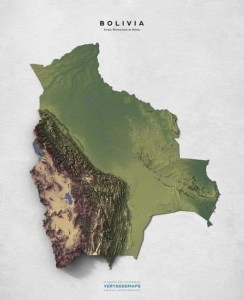
Bolivia is a geographically interesting country. If you read the past two posts on this blog then you know that we entered in the flat, green zone.
https://slowcarfasthouse.com/2025/04/11/bolivia-part-one/
Then we traveled to the foothills and up into the Andes. After some time in the capital of La Paz it was time to move down the mountains to the large plains.
https://slowcarfasthouse.com/2025/04/16/boloivia-part-two/
The west side of the Andes includes many interesting features. The history shows ancient cultures that left ruins, used the thermal waters, harvested the salt and traded with the Inca and others near Lake Titicaca. We visited that lake a few years ago from the Peruvian side. You can read about it here:
https://slowcarfasthouse.com/2019/08/24/peru-uros-islands-floating-in-lake-titicaca/
As we prepared to say goodbye to La Paz we decided to purge some items from the camper. In addition to a deep cleaning, donating excess dog supplies to a local rescue and sharing some extra books and clothes to other campers, we had been hauling a seldom-used guitar with us for a very long time. It needed to find new fingers.
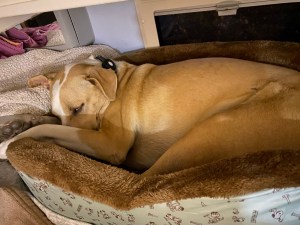
Pacha got a fresh, new dog bed for her long naps and hard sleeps! It was a little too small for her long, Peruvian legs. But she loved it anyway.
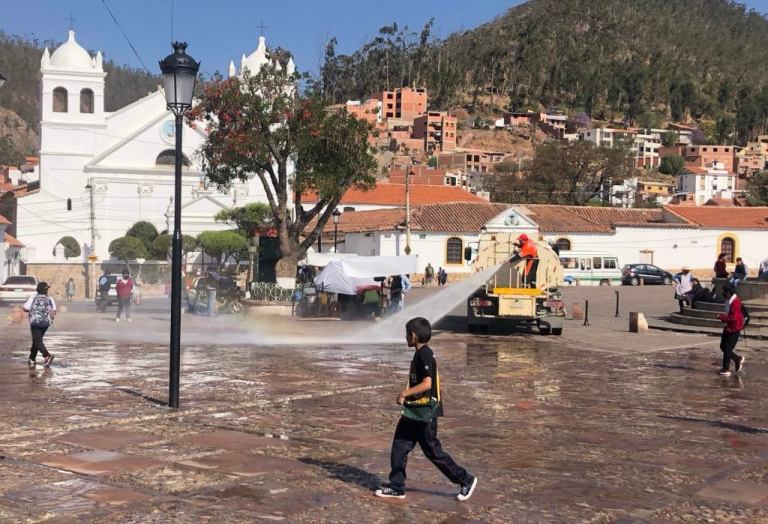
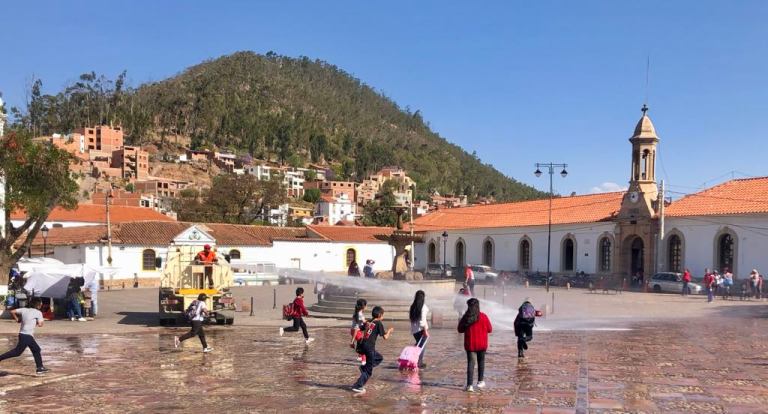
For our final day in the city, we walked up to a hilltop cafe with beautiful views. When we arrived we heard the laughter of children, so we went to investigate. We found a water truck that was cleaning the plaza after mercado day (similar to a farmers market).
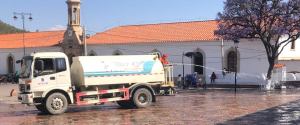
A group of children had gathered to watch and wait. When the truck was finished hosing off the bricks of the large plaza, it turned on the sprayers and welcomed the children to play in the chilly spray of water! The joyous laughter was a delight, and the scene was iconic.
In the shade of the archway we heard someone plucking the strings of an acoustic guitar. We turned to find two young guys who were having a little riff-off competition. Each took a turn on the guitar, picking out a little tune and trying to outdo the other. We watched them pass it back and forth a few times before approaching. Then we asked (in our gringo-Spanish) about the guitar and their game. We learned that one of them owned the guitar and was taking classes. The other could not afford a guitar, and could not join the classes without his own instrument. We asked him to meet us at the cultural center later in the evening, as we had a gift for him. You see where this is going, dear reader?
The little Yamaha guitar had found its new fingers. And Trevor from Bolivia (yes, his name is Trevor) now had an instrument so he could join the guitar classes. Trevor continues to send us clips and riffs and messages as his guitar playing progresses. And we were happy to gain the space that the seldom-used guitar took.
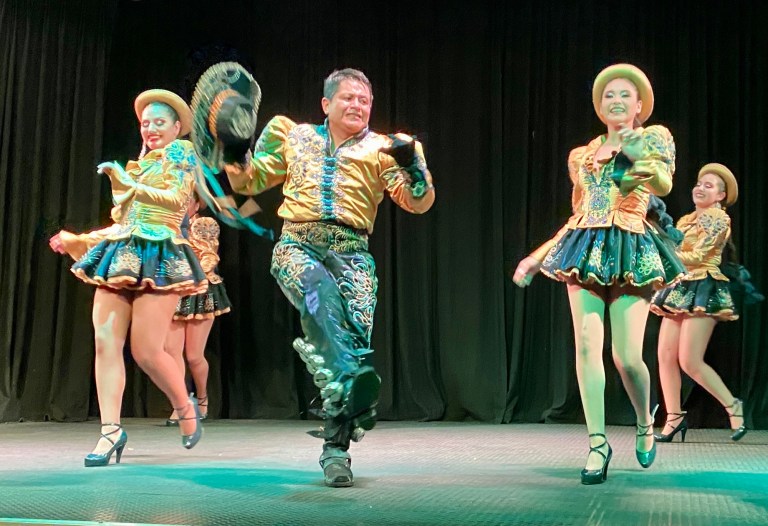
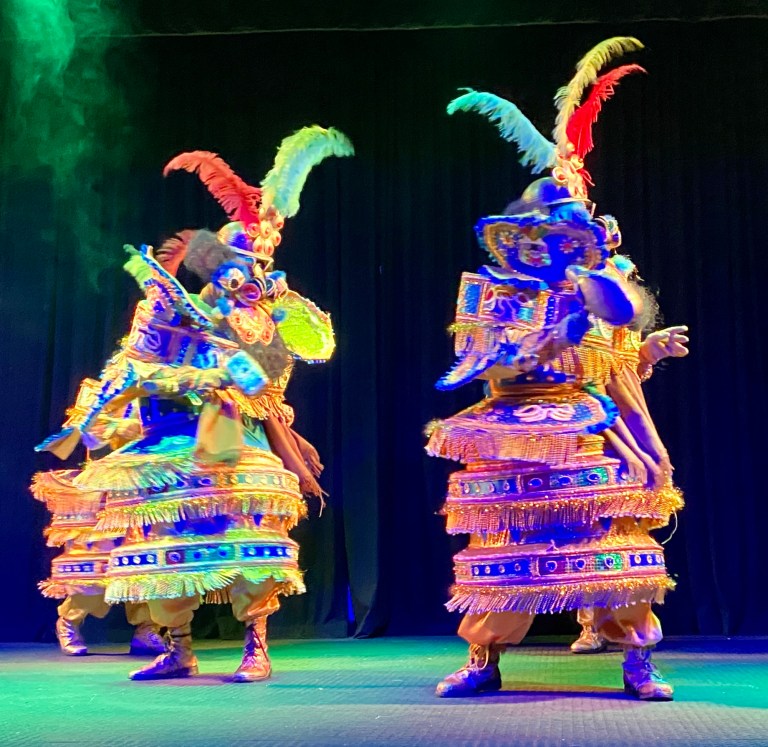
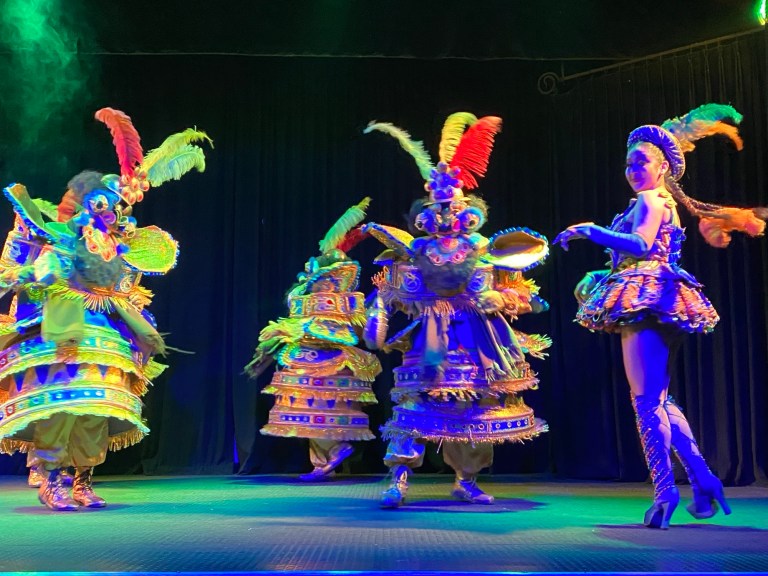
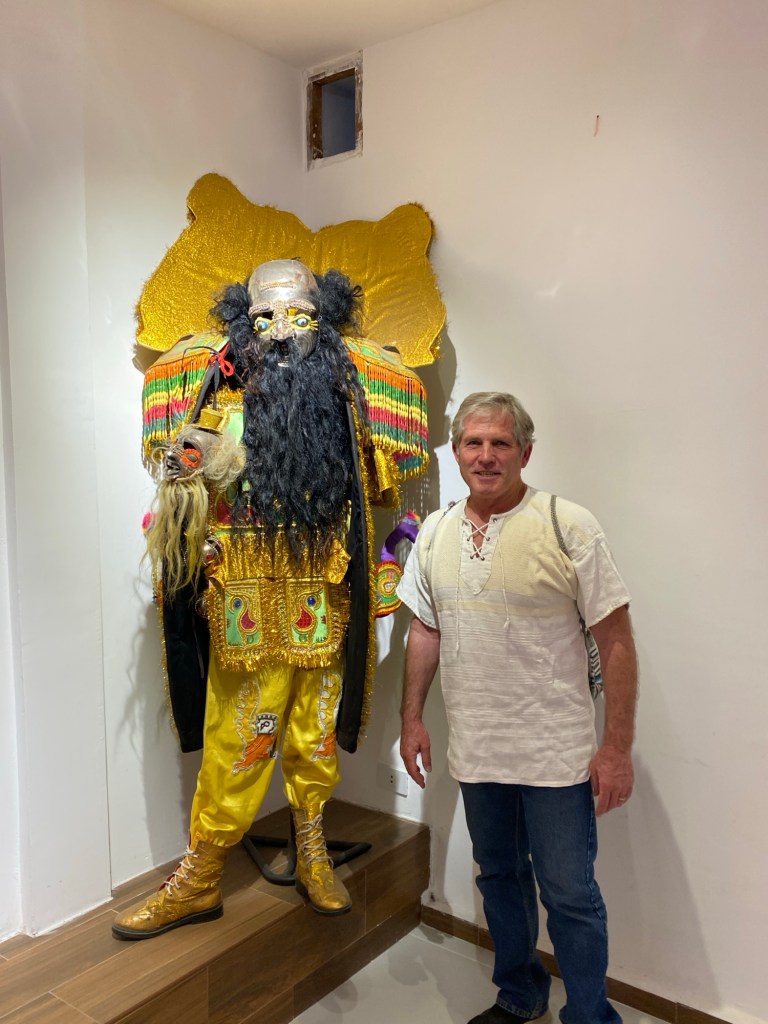
That night at the cultural center we ended our visit to La Paz with a fun dinner show. The dancing was brilliant, the costumes were bright and vibrant and the meal was delicious. We do not often attend such touristic stuff, but this was a fun splurge and we really enjoyed the show.

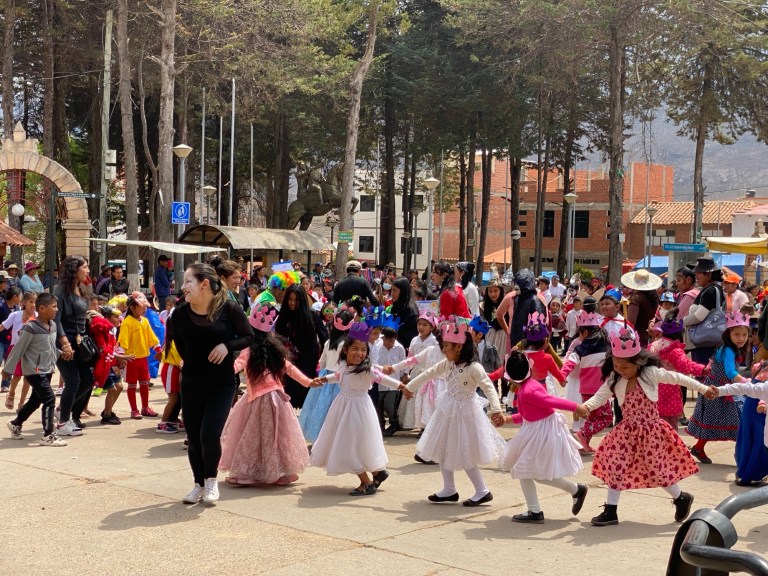
Packing up the camper and leaving La Paz was swift. It was time to return to smaller villages and quieter settings. Our drive took us down the west side of the Andes and through many little cities. Below is a photo and movie of a community celebration. Children dancing, singing, competitions, games, costumes, candy, toys and general fun.
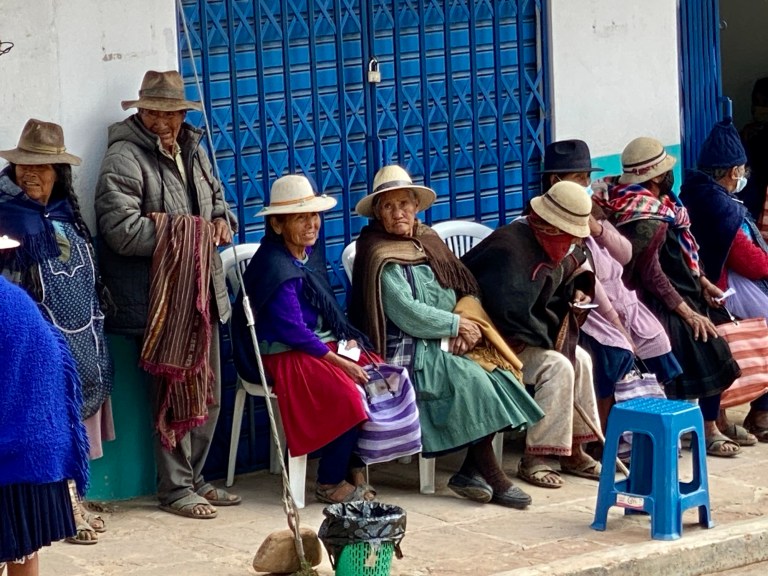
That night we spent the night at the town park of a different little city. There was no one around when we made dinner, played games and went to bed. The next morning a line had formed at the building across the street from us. Folks had gathered in there fine clothes, apparently waiting for some sort of service from the office. They sat for hours, on the ground, on small stools, in folding chairs and in a wheelbarrow. Yes, she was wheeled there by an elderly man, and sat in there until he wheeled her inside the office.
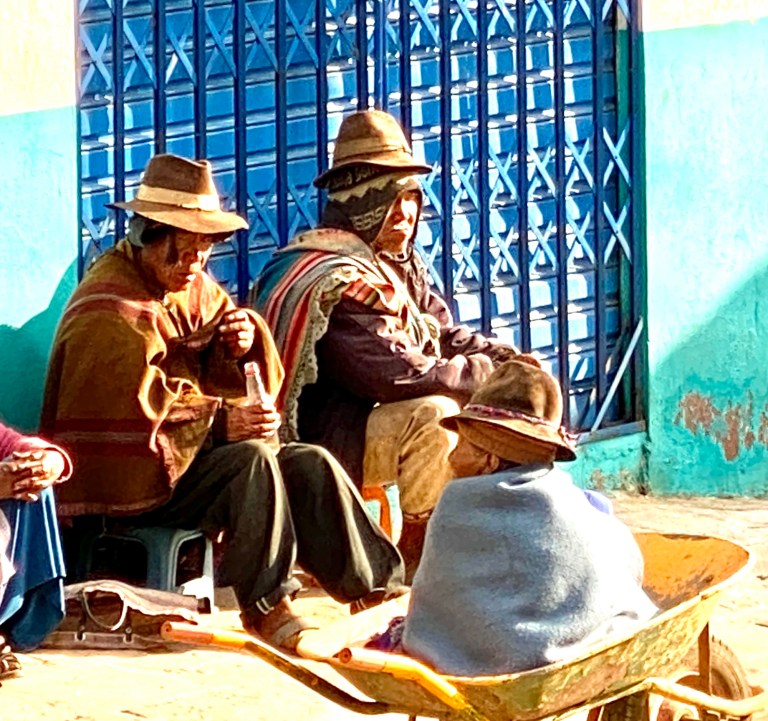
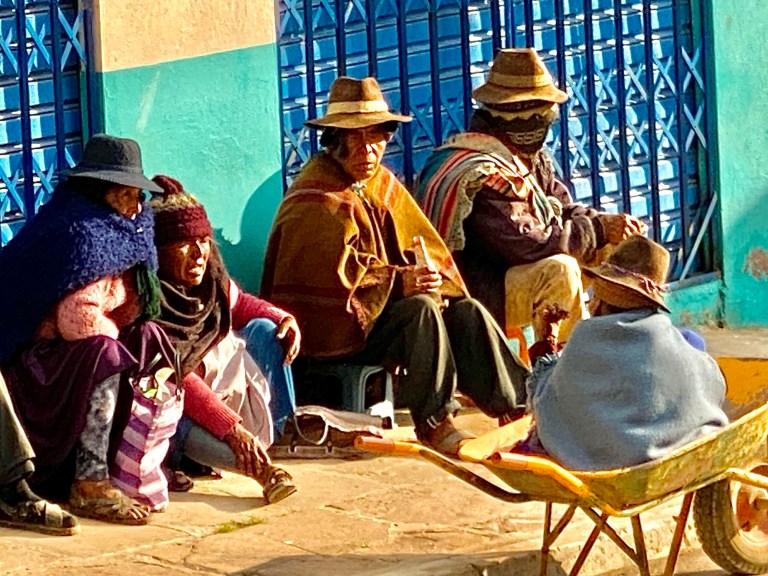
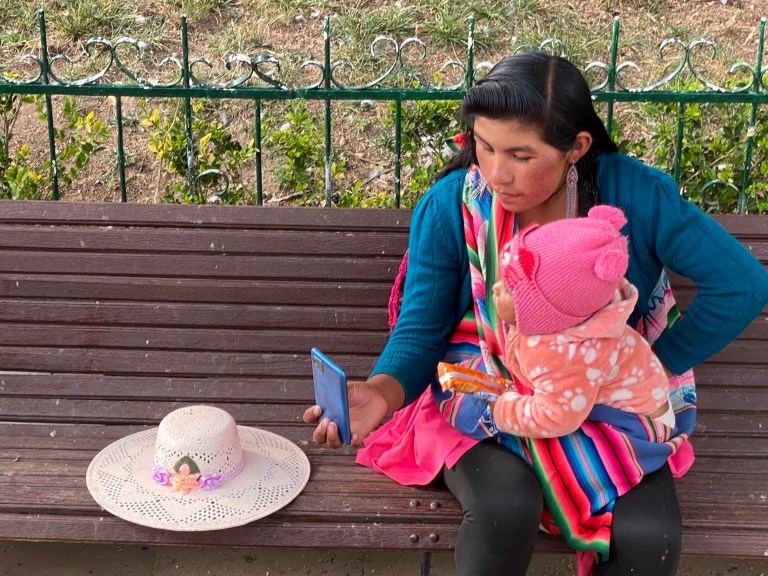
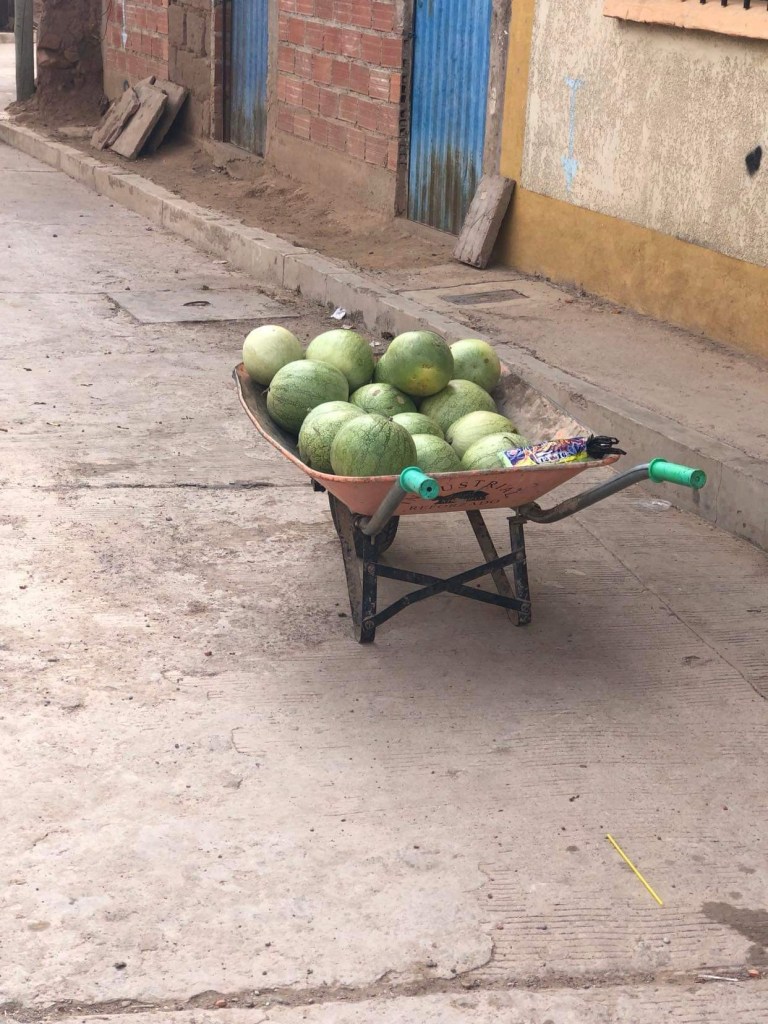
Nearby, a young woman and her child took a few selfies with her cell phone. And a man passed by with a wheelbarrow full of watermelons for sale, vending to the folks sitting in the line.
Nearby we found another of our favorites, a hot springs! This one was in pretty rough shape on the outside. But inside the pools and water were clean and felt great.
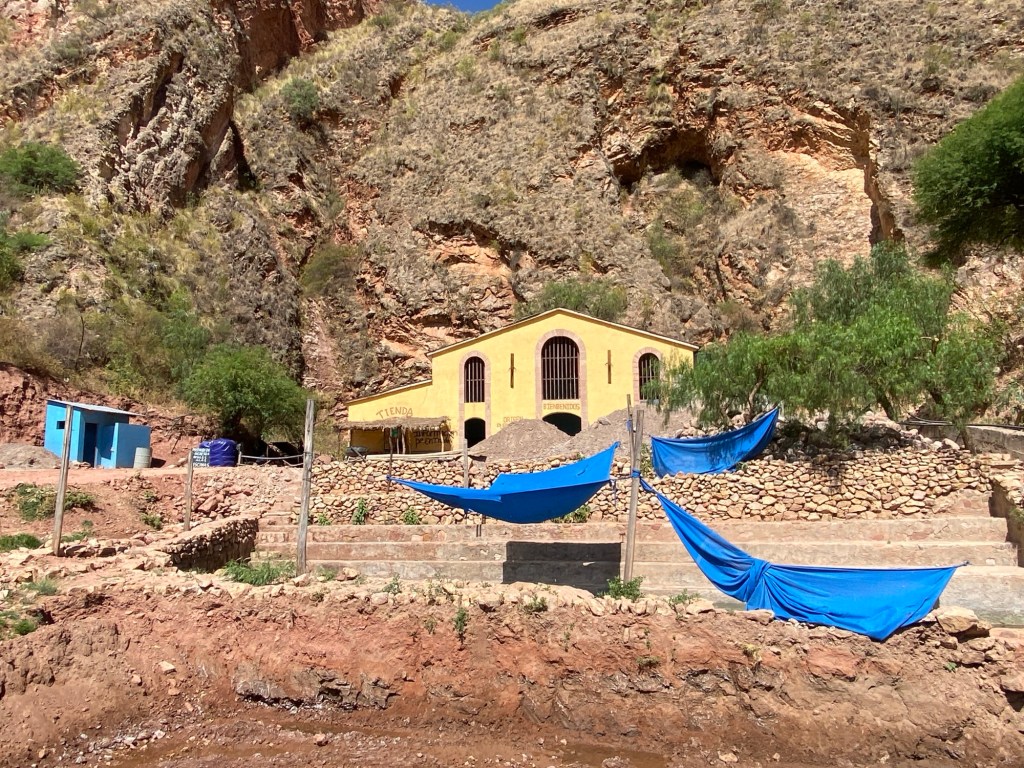
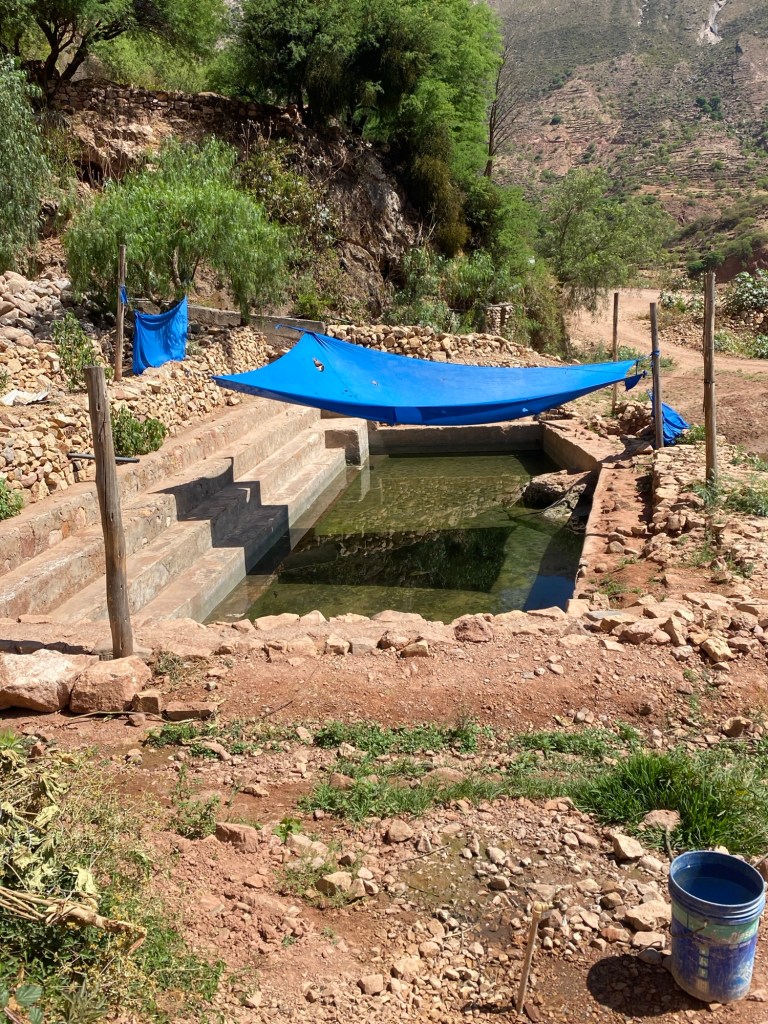
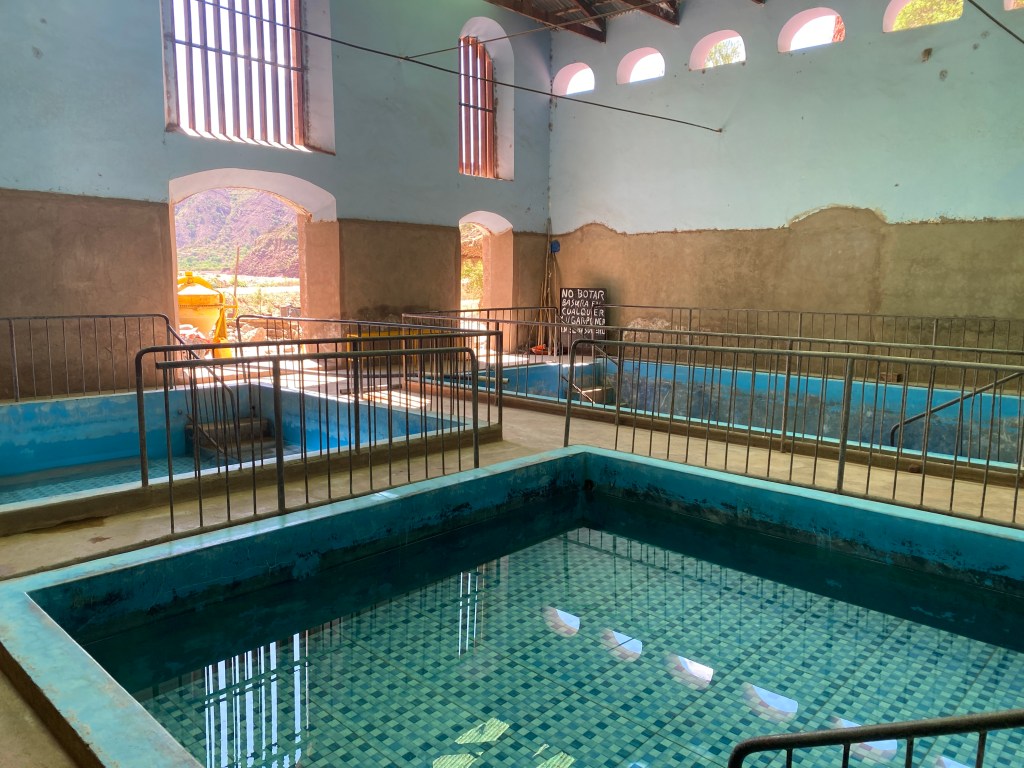
The geology was really beginning to change. Clearly this area had seen volcanic and seismic activity in the past. The view of the rocks out our windows was amazing. The walls alongside the highway were reinforced with an elaborate concrete gridwork, presumably to keep the rocks from collapsing.
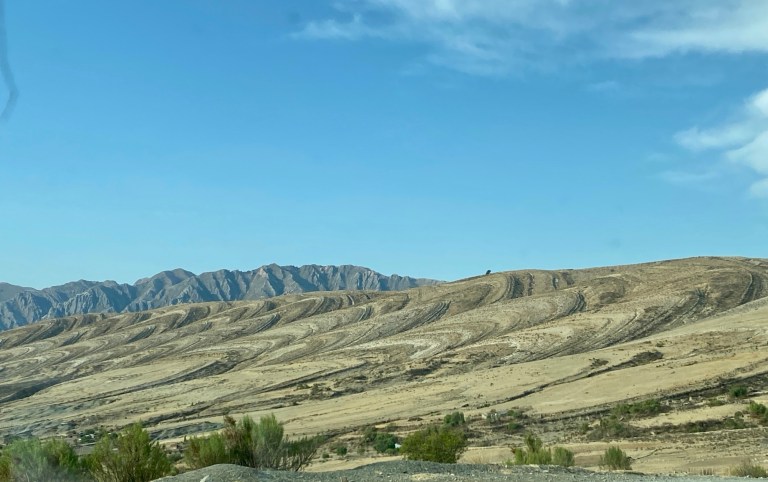
And in the distance we could see the whorls and curves of ancient lava and seismic heaves. A unique contrast to the sandy soil that was becoming more sand than soil as we moved west.
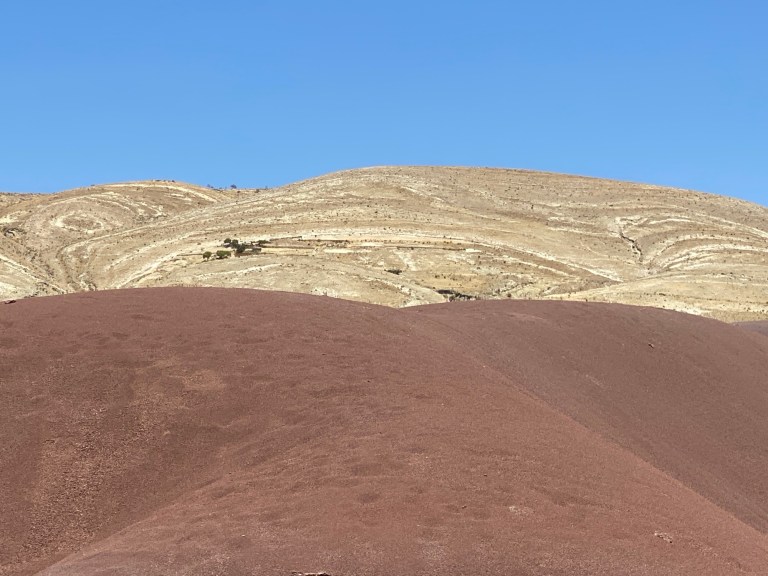
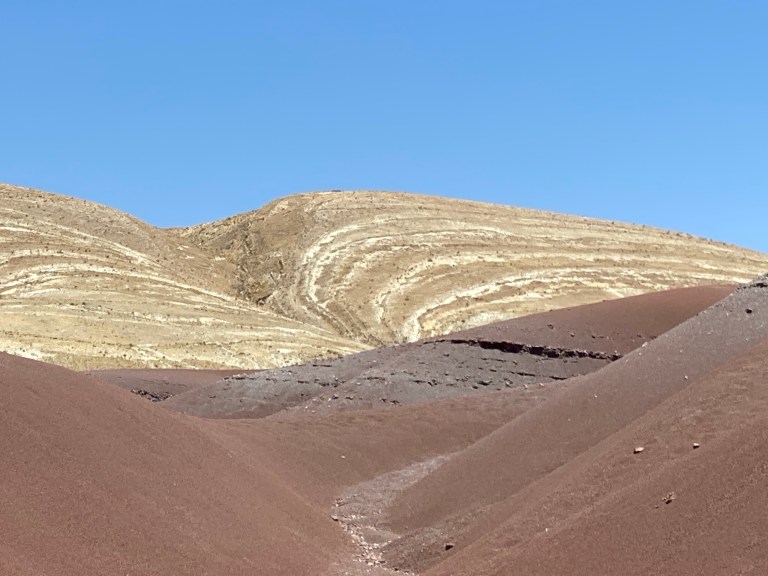
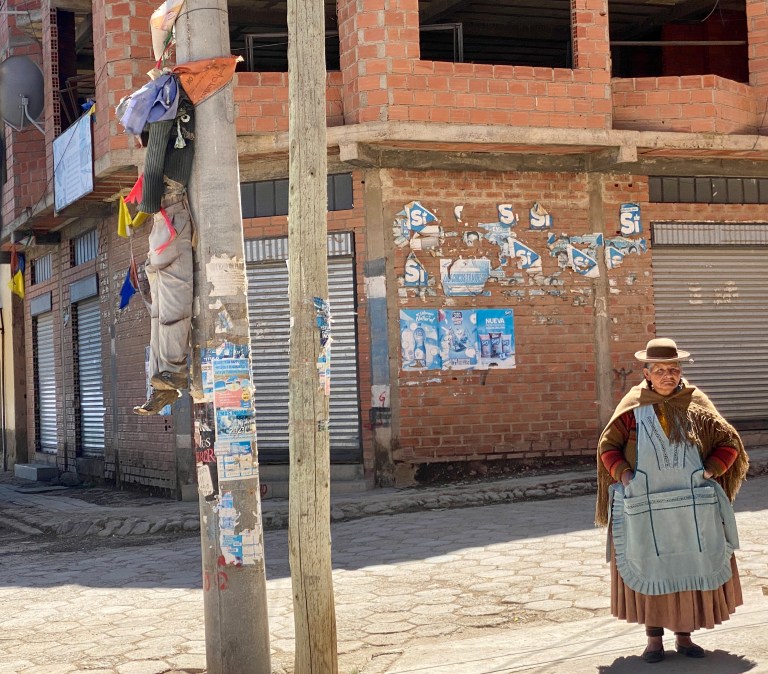
We paused for two nights in yet another small, dusty village. This one was quite run down. From what I could understand, all the young had moved to the big cities for work. The elderly stayed and scratched out a living until they passed away. Notice the stuffed “scarecrow” hanging on the light post. We were told this is to warn away bad people and protect the elderly.
We camped near the church, among a long abandoned part of town. The only residents were a few wandering sheep and some hungry dogs. We hiked along the nearby river to some crevices overlooking the water.
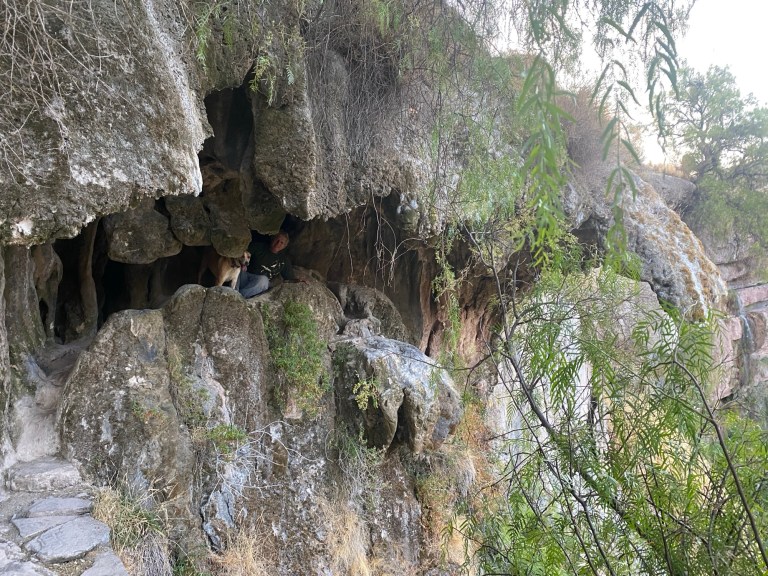
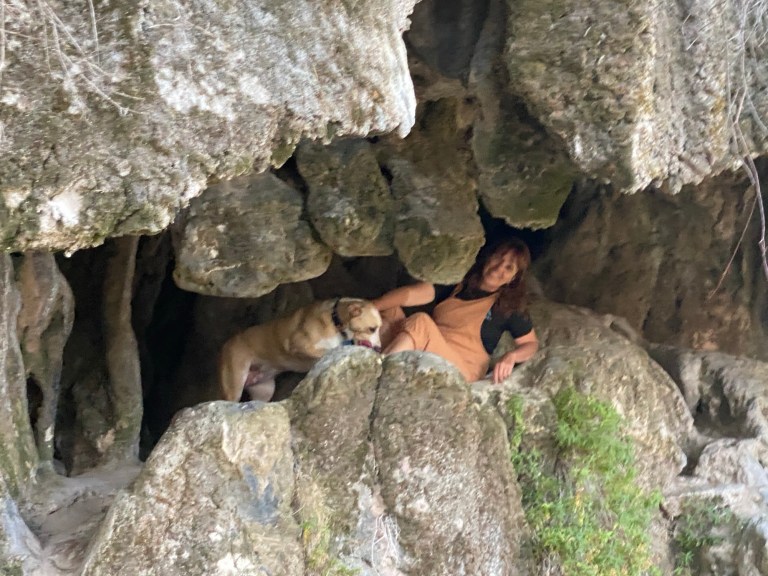
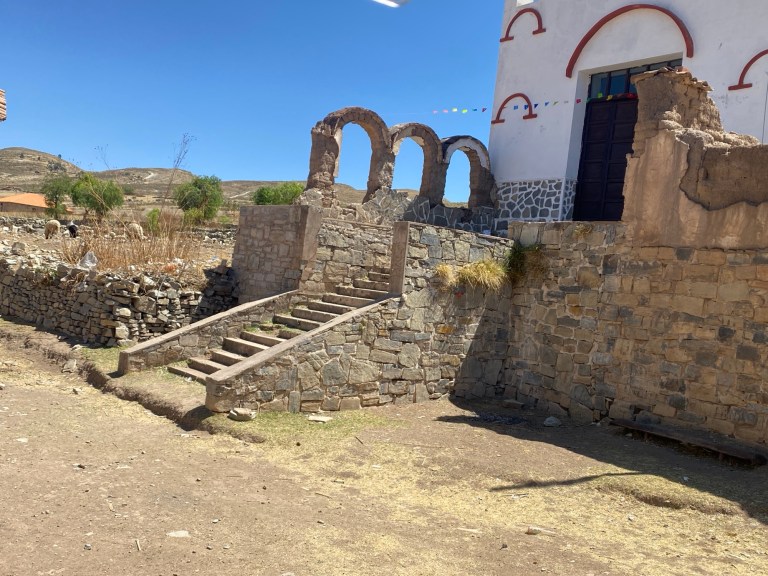
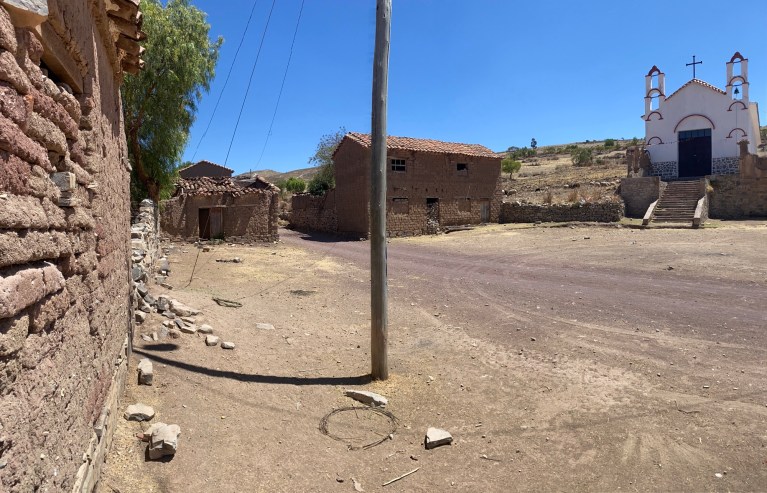

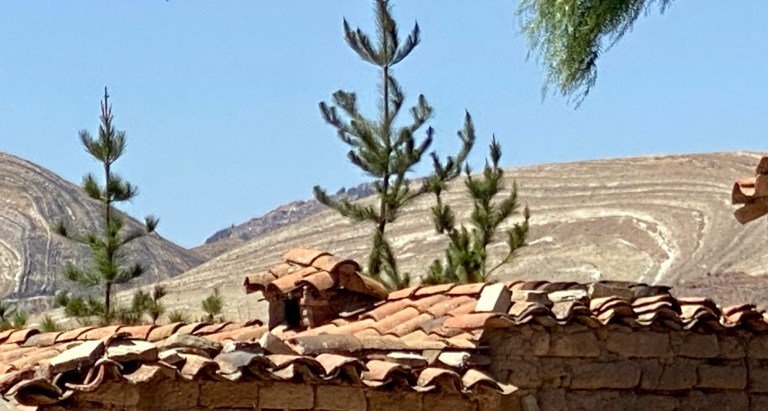
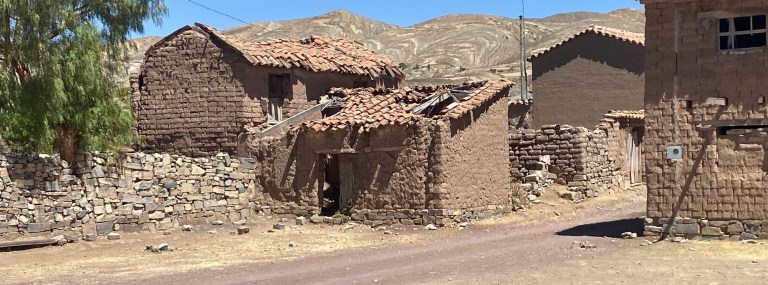
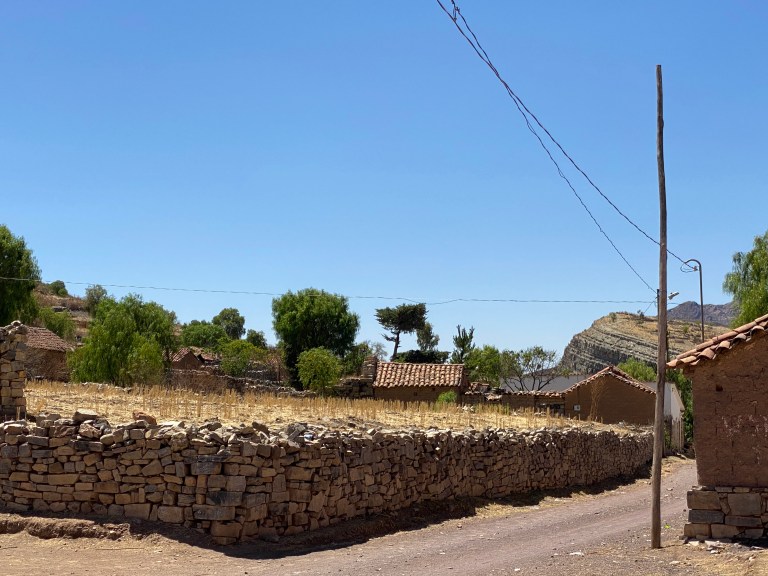
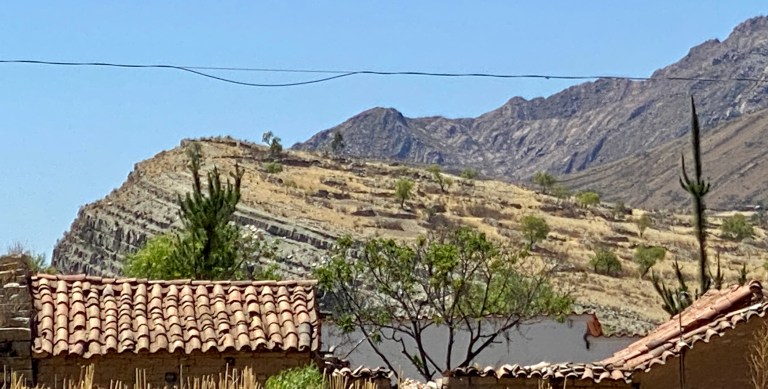
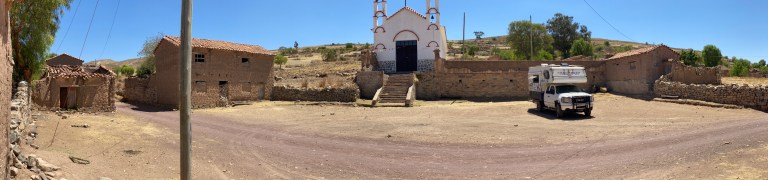
The salty, wet soil of the river produced some amazing, wild peach trees. We picked peaches and enjoyed them with cream cheese and a sprinkle of cinnamon, on local, home made bread. 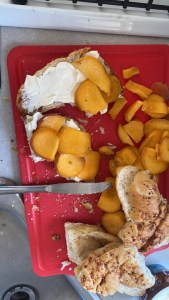
It was time for another visit to a hot spring or thermal bath. This one is located just outside a very small village. The warm water that passes through the river is used as a laundry facility for all the nearby farms. These photos show families at the rivers edge. Cars are open, clothes are spread in the warm water, then pounded on the rocks to clean them. Then rinsed in the warm water and layed out on the rocks to dry. This would also be the time for the family members to bathe, fully clothed, washing themselves and the clothes they were wearing.
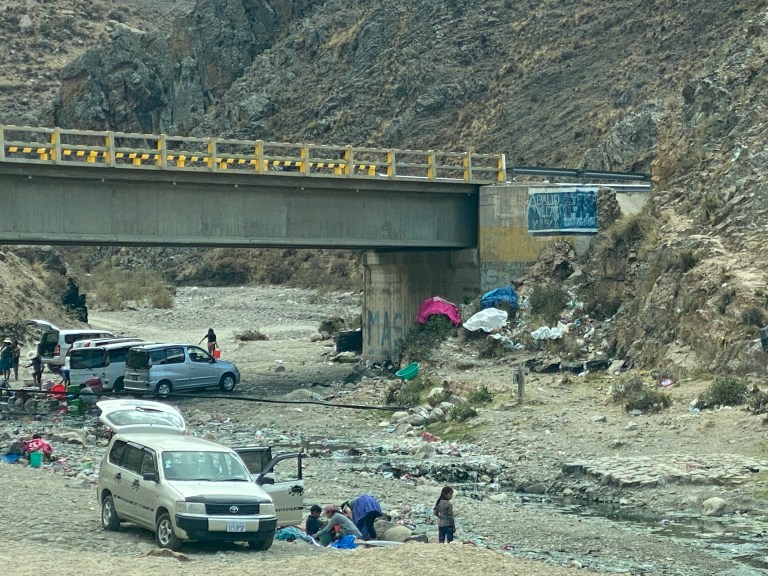
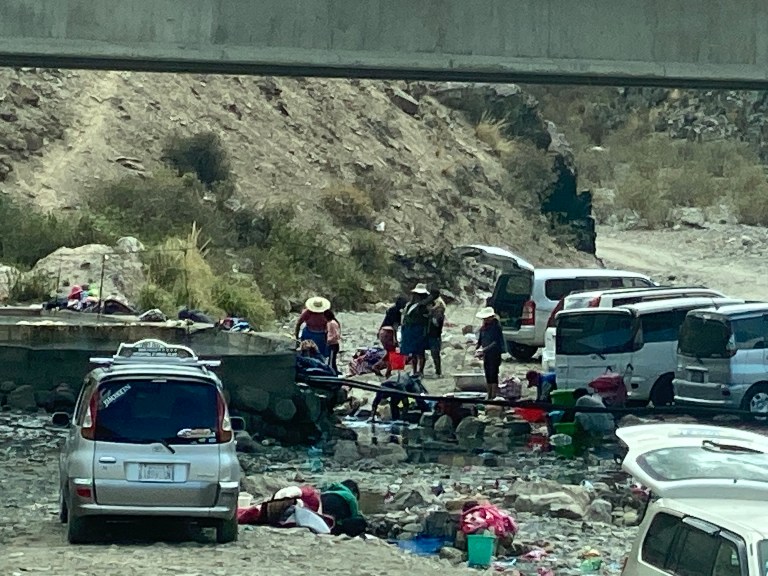
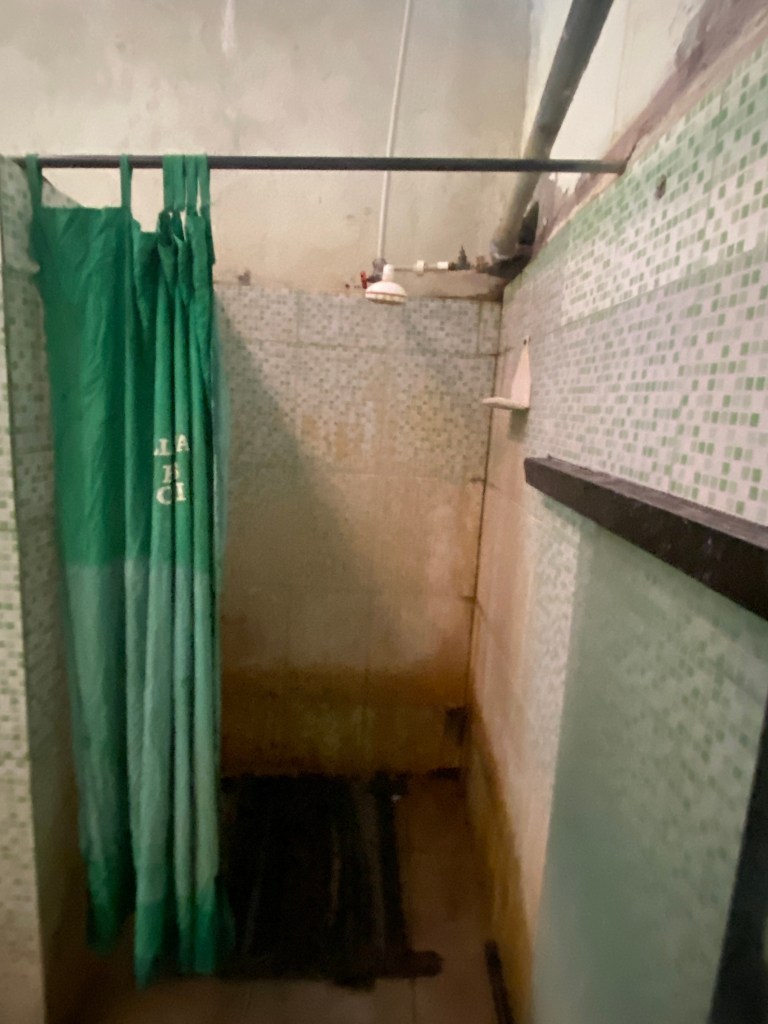
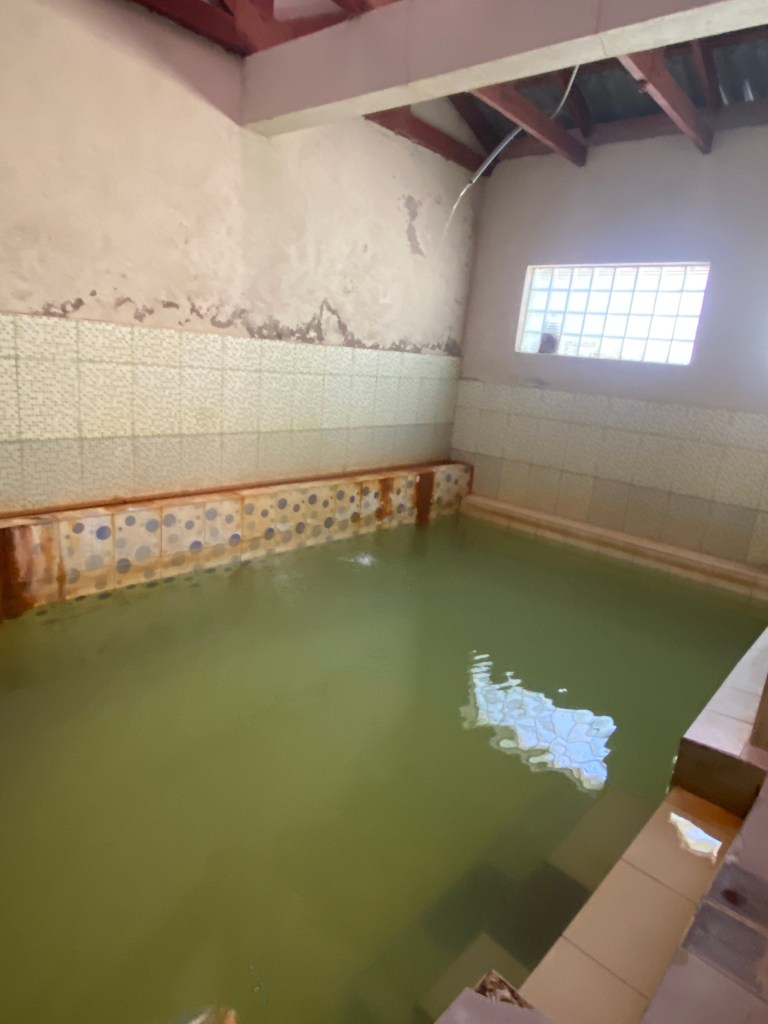
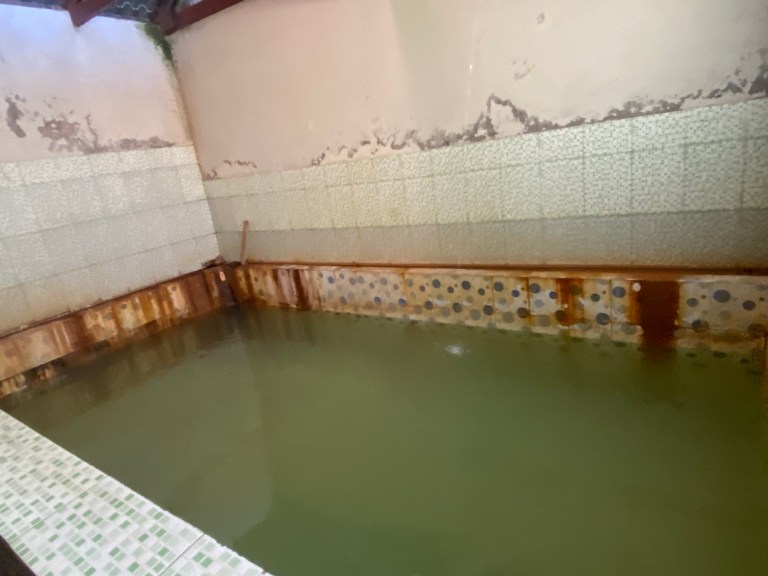
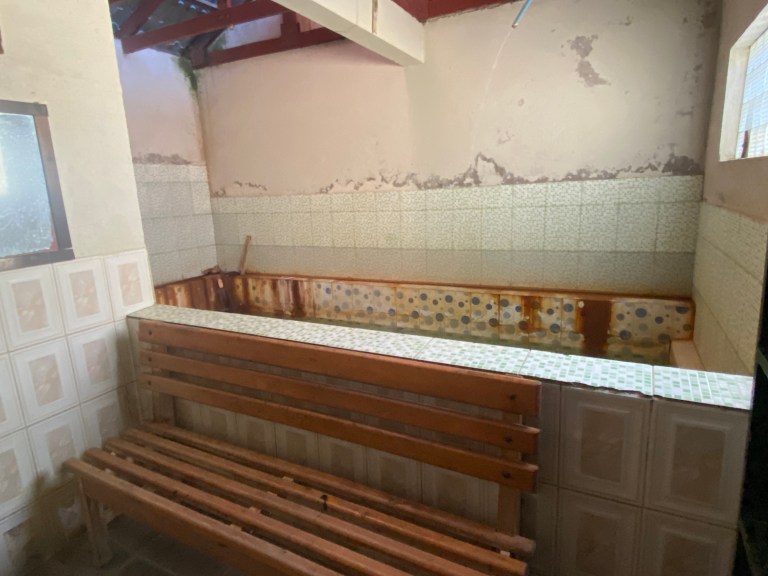
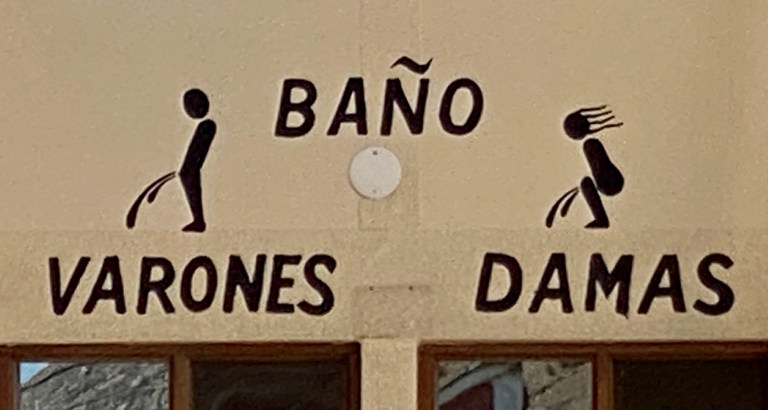
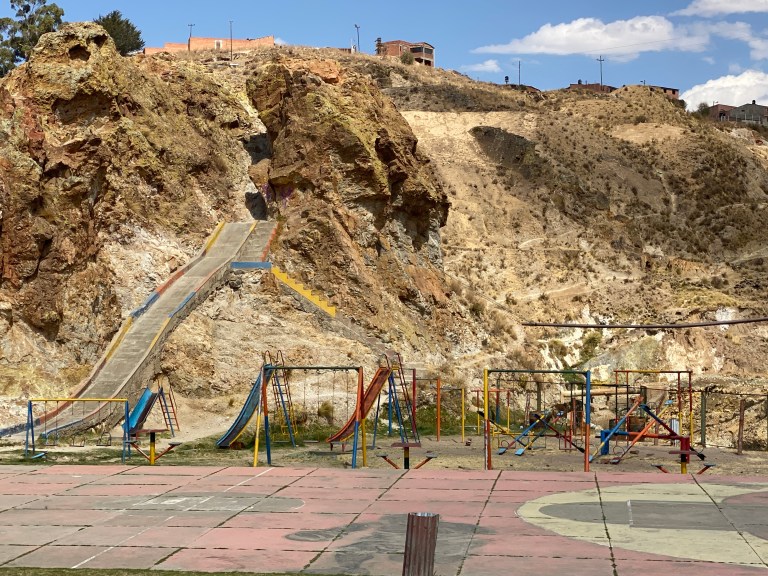
These baths were not quite as sparkling clean as the last ones. Partly due to the lack of care and maintenance, and partly due to the super high mineral content of the water. The dark stains indicate a presence of iron and who-knows-what else!! The sign for the bathrooms was very clear. And sadly the outside playground was also quite neglected. But we emerged cleaner and ready to explore further.
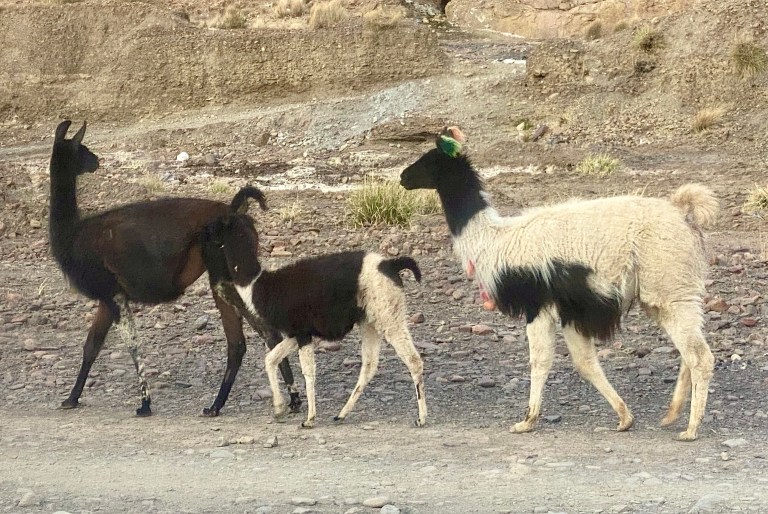
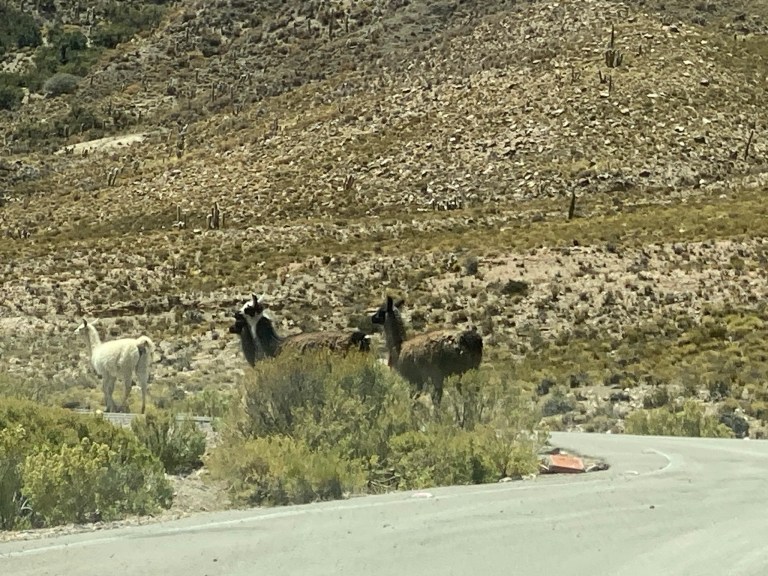
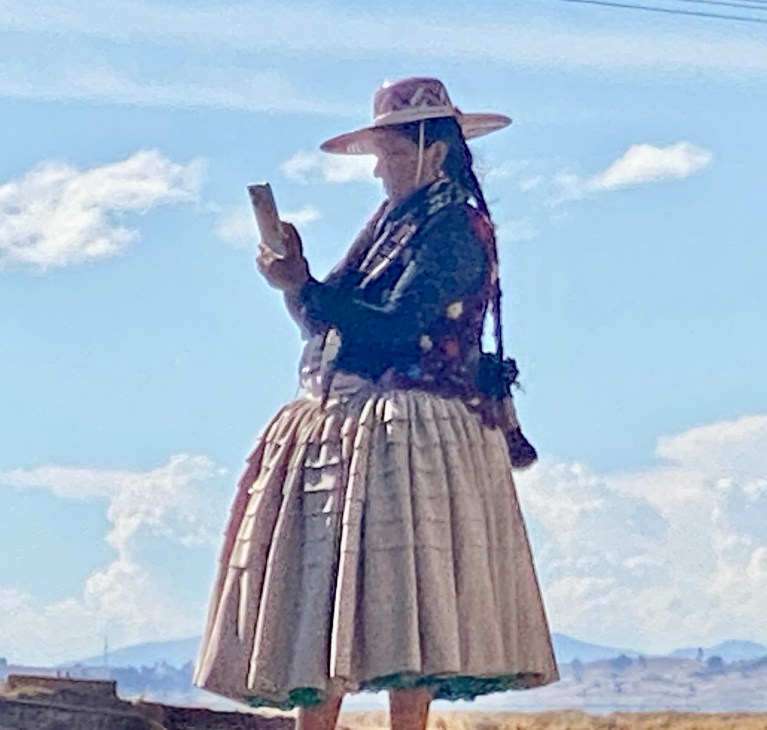
Nearing the end of the Andes Mountains we began to see more farms and large grazing lands. Roaming herds of llamas and alpacas wandered the roadside. Occasionally a shepherd could be spotted among the rocks and bushes. They sported bright colors and always a cell phone!
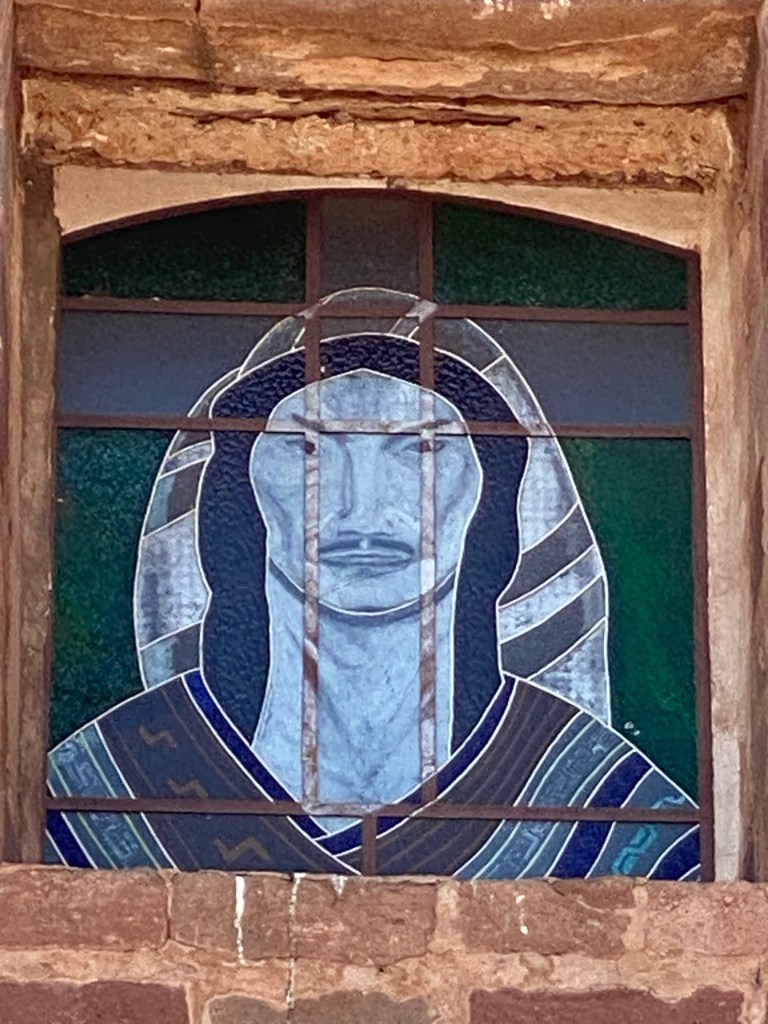
One small church caught my eye because of the extensive rock work and the unique image of Jesus above the door. This fella looks more like a hardened criminal than the typically soft images of Jesus.
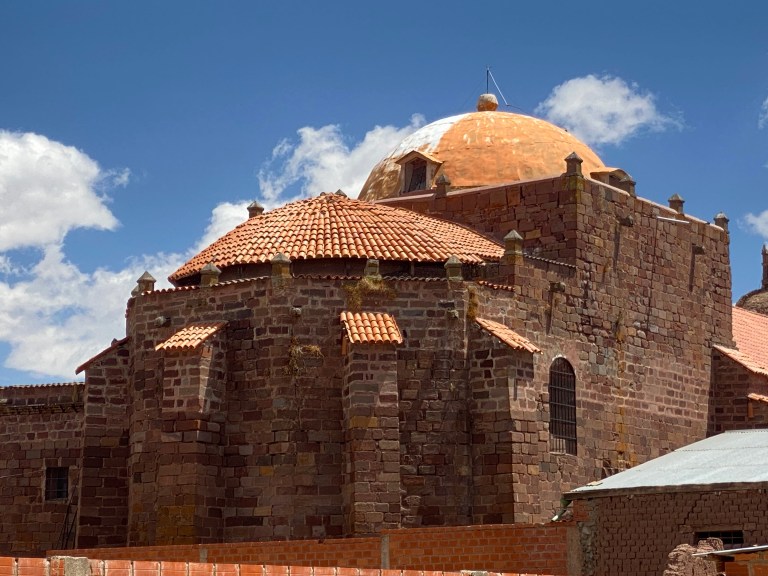
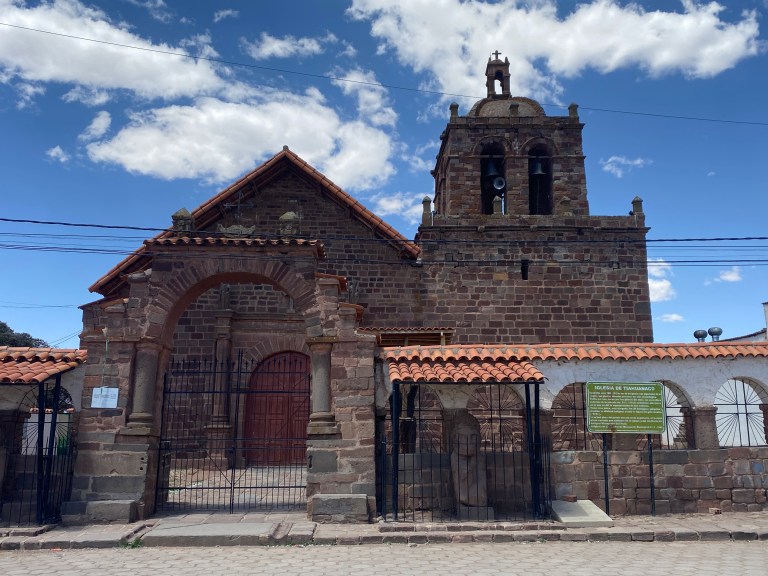
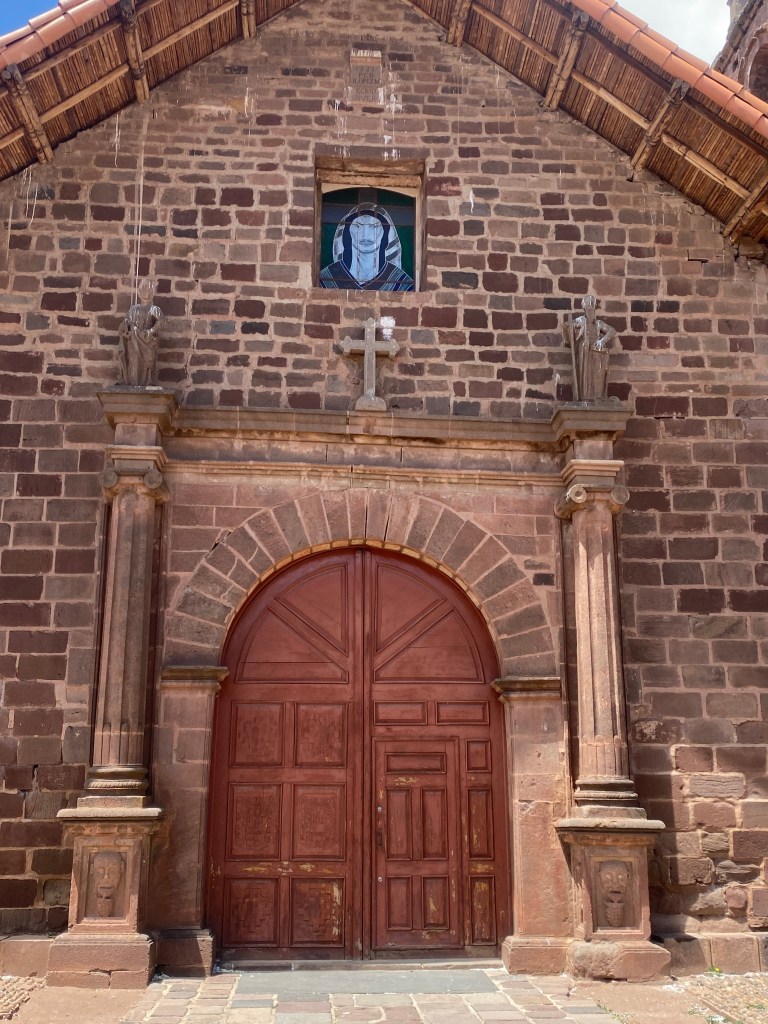
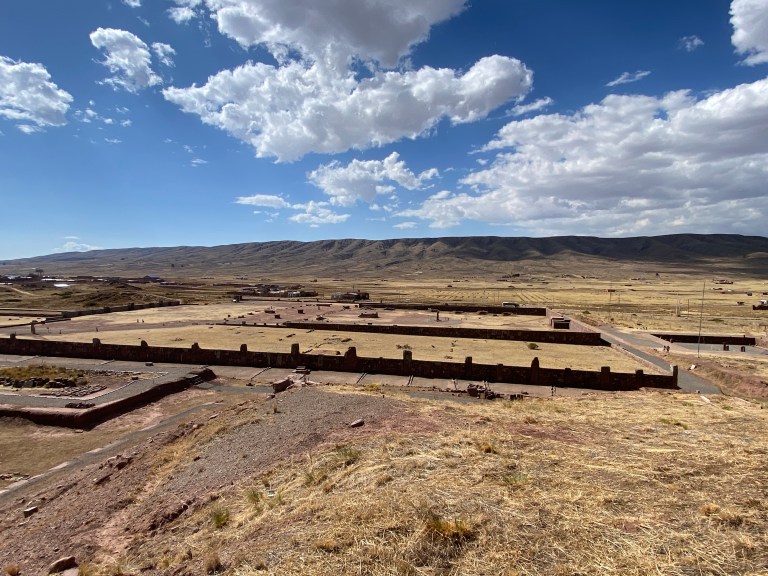
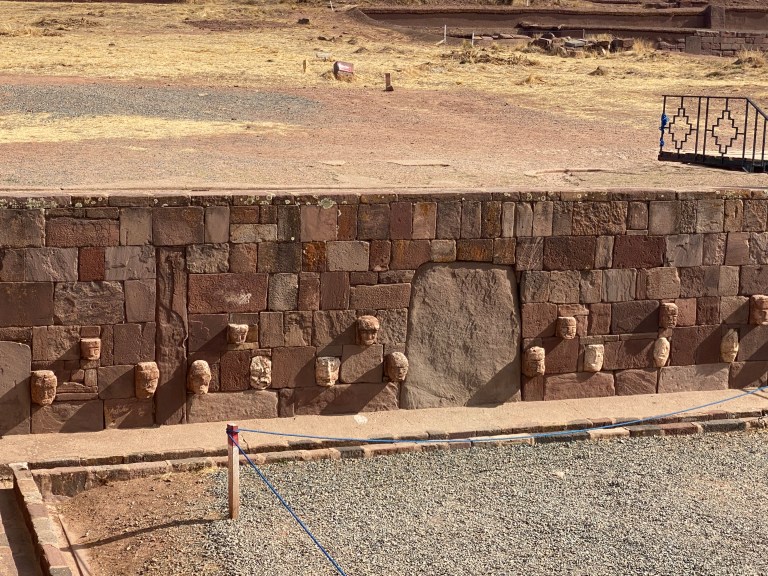
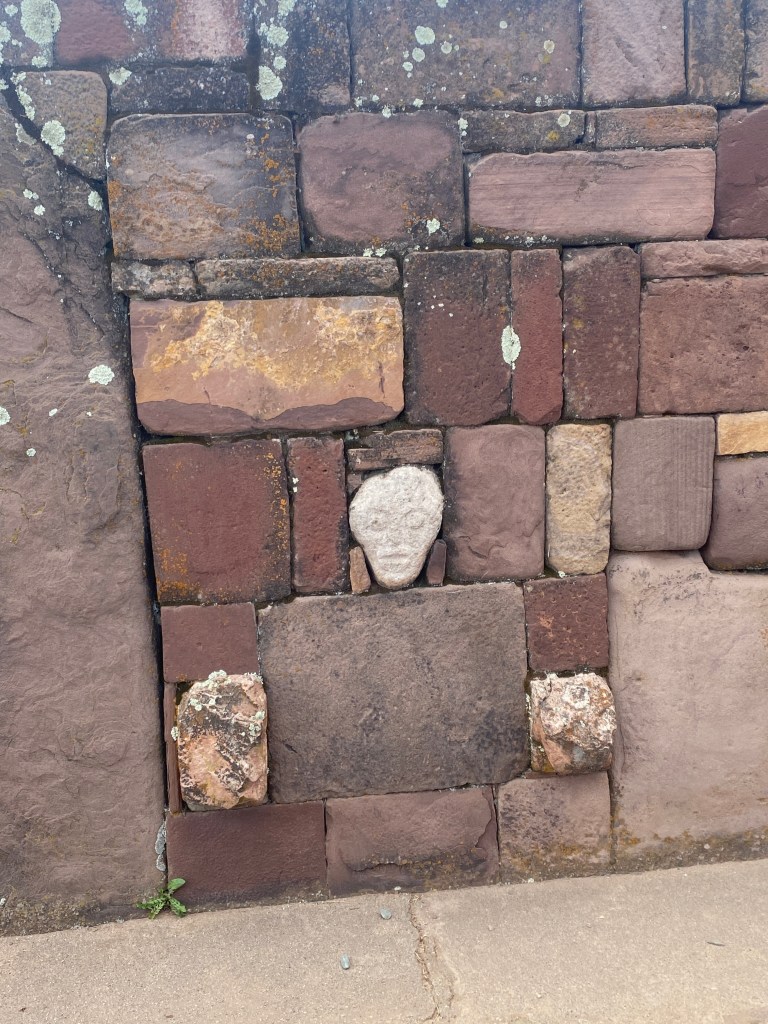
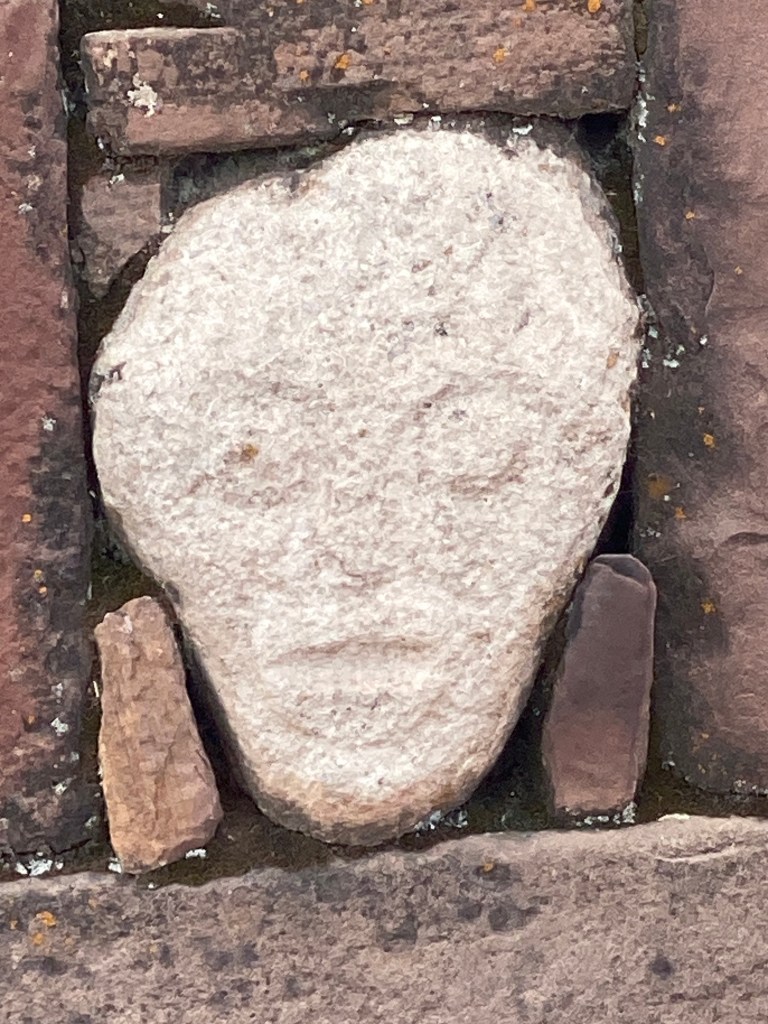
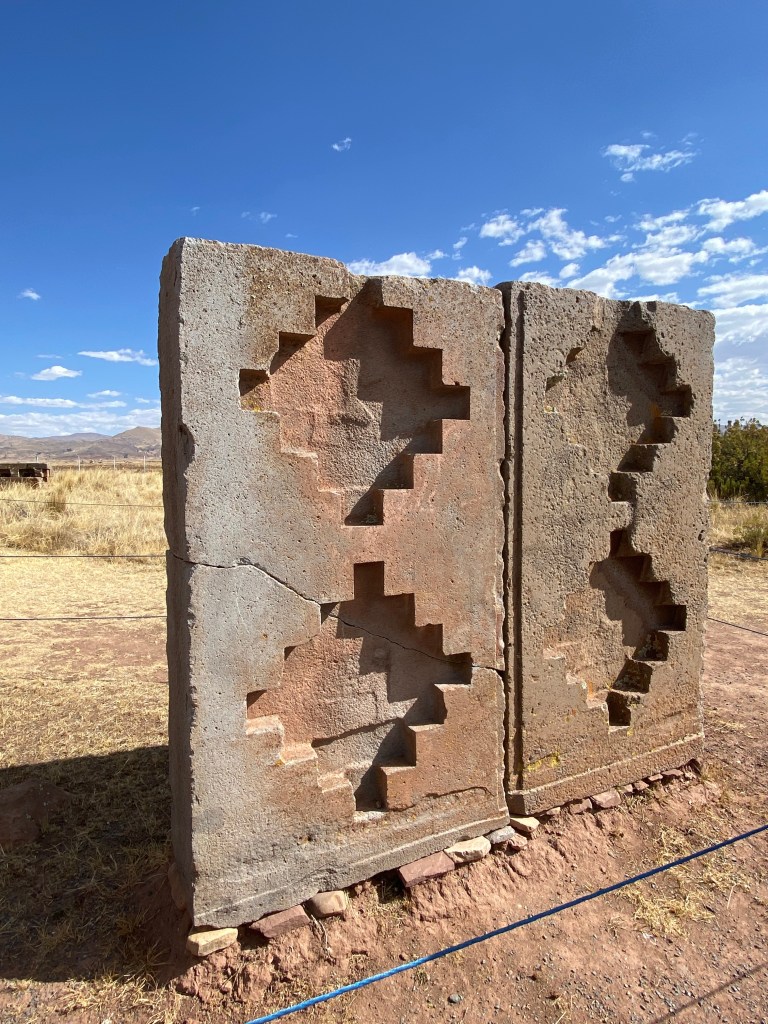
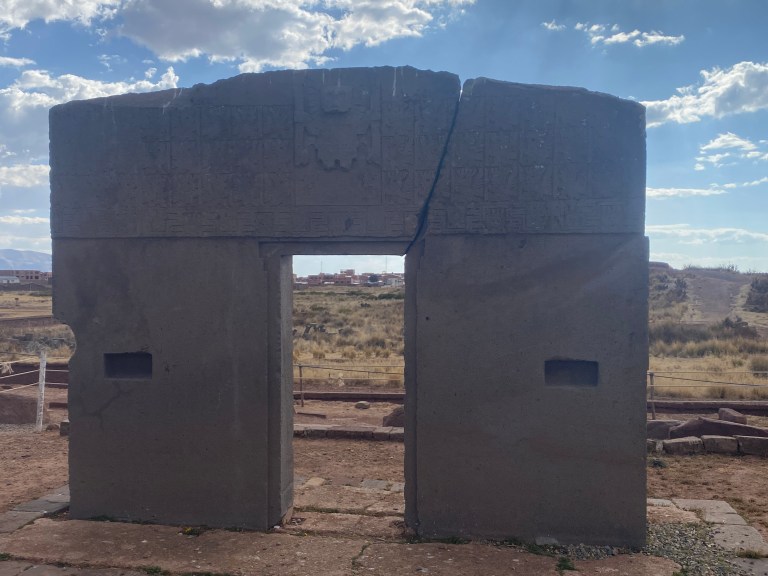
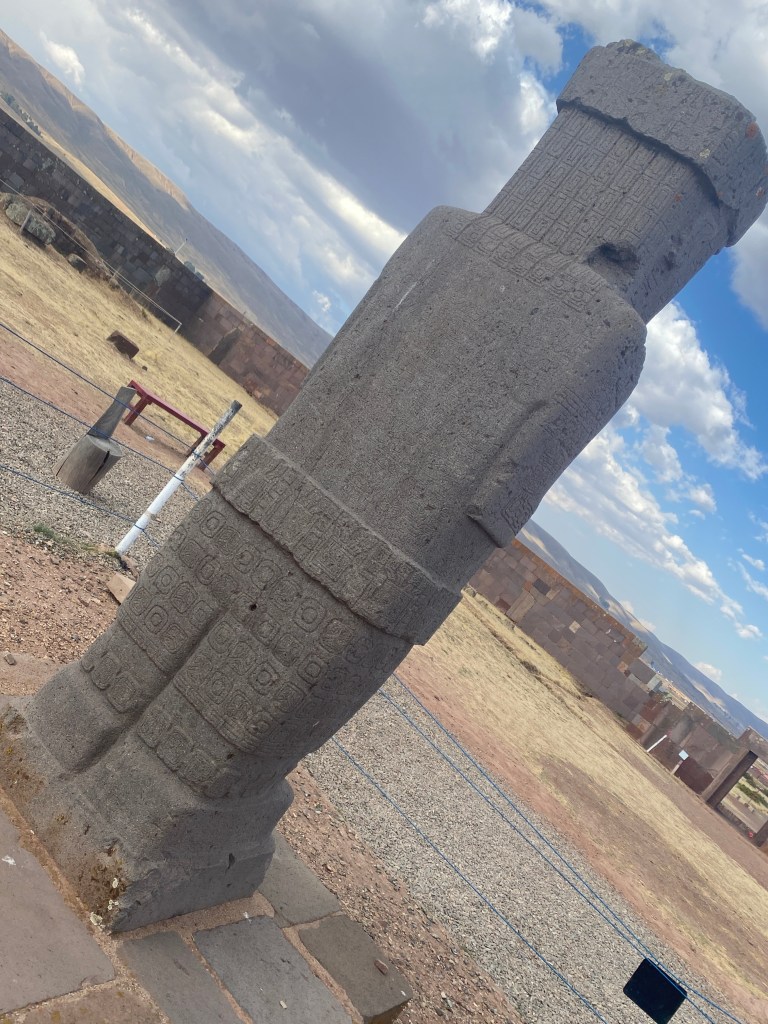
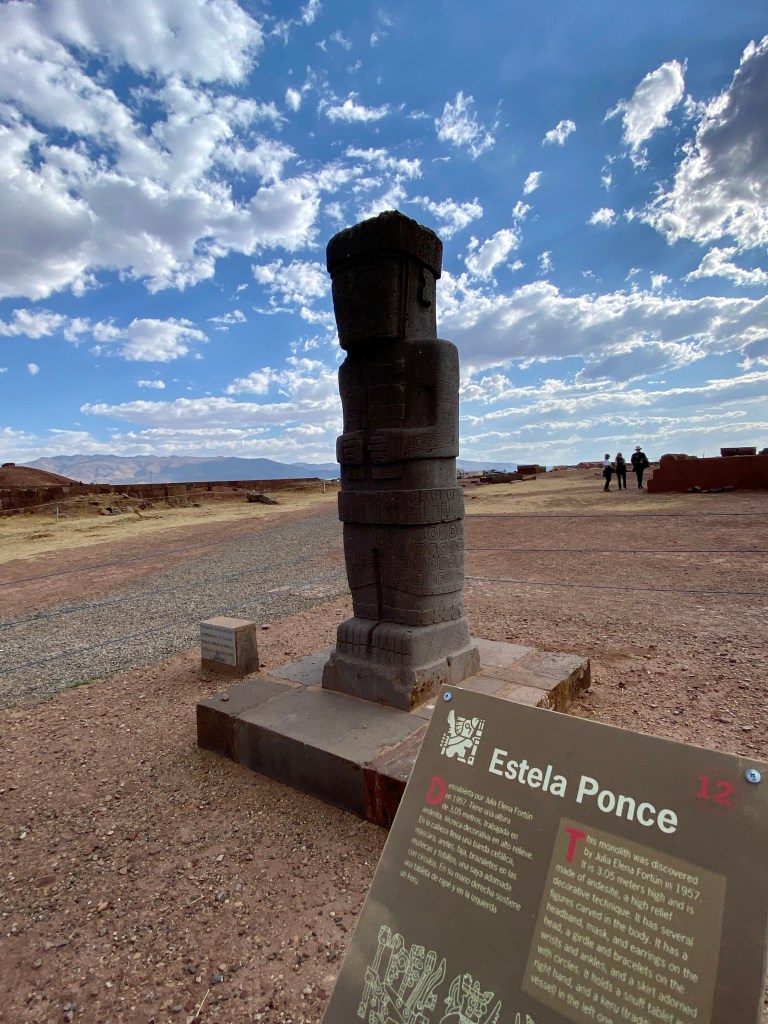
Nearby we found a series of ancient ruins from a trading area. This was used for exchanges between the Inca of Peru and the groups from further South. Because most ruins throughout Bolivia have not been well preserved, this one is particularly unusual, due to age and condition. Although it has clearly been modified and restored, it is still quite interesting to look at. And that was about all we could do, as there was very little info about what we were seeing.


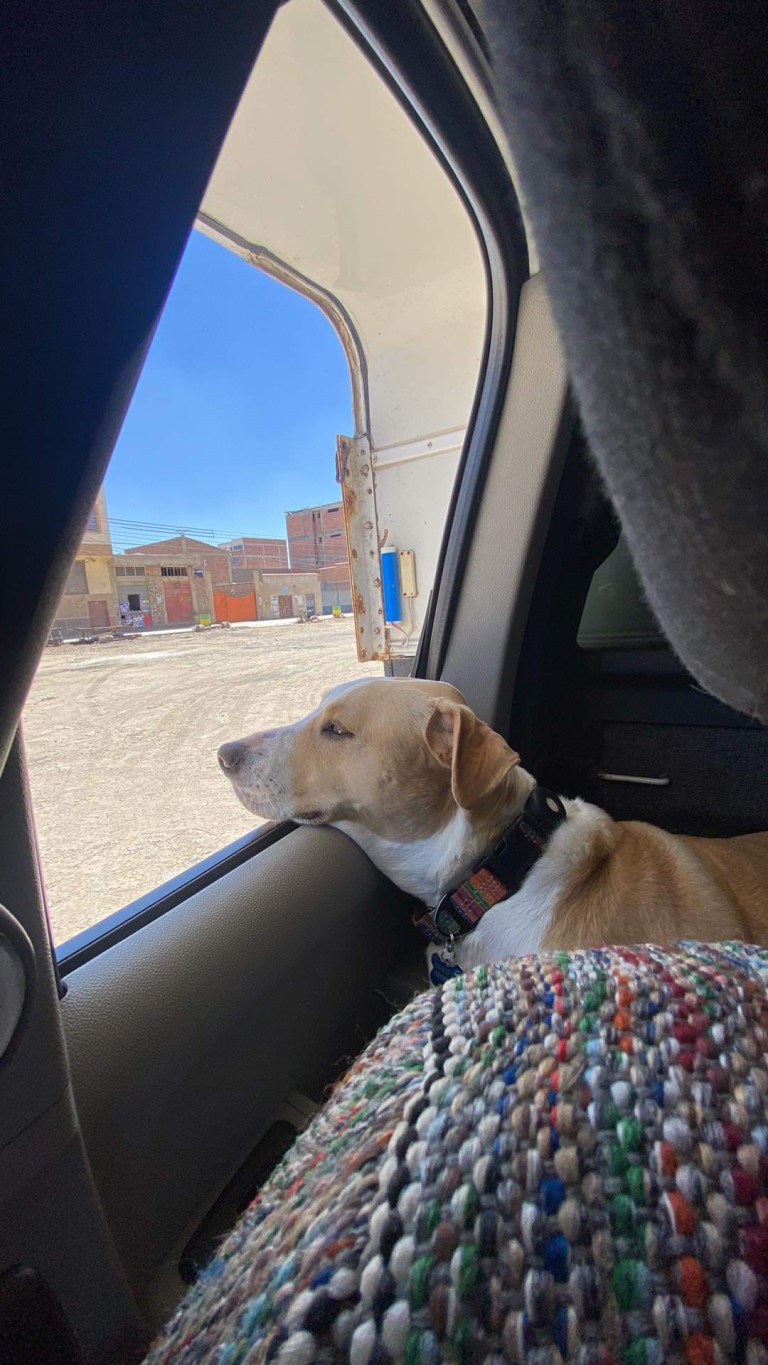
Pacha loves watching the scenery and the animals as we roll down the highway. She has adjusted to being a spoiled, happy, only-dog. There are many privileges to being an only….. watch for the next post to see where she gets to go next- a place that not many dogs ever visit!

I’m so glad that we are once again allowed this wonderful view into your traveling lives. It is pure magical escapism, yet educational and heartfelt. Bravo.
Thanks so much for letting us explore with you. Your photos are great, descriptions and comments, interesting and compassionate.