

Yes, the title is right, we had the opportunity to visit Machu Pichu three different times while we were in the area. Let me tell you why this happened, and how each visit was a little different.
But before we do that, you have to look at the requisite “money shot” of Machu Pichu. 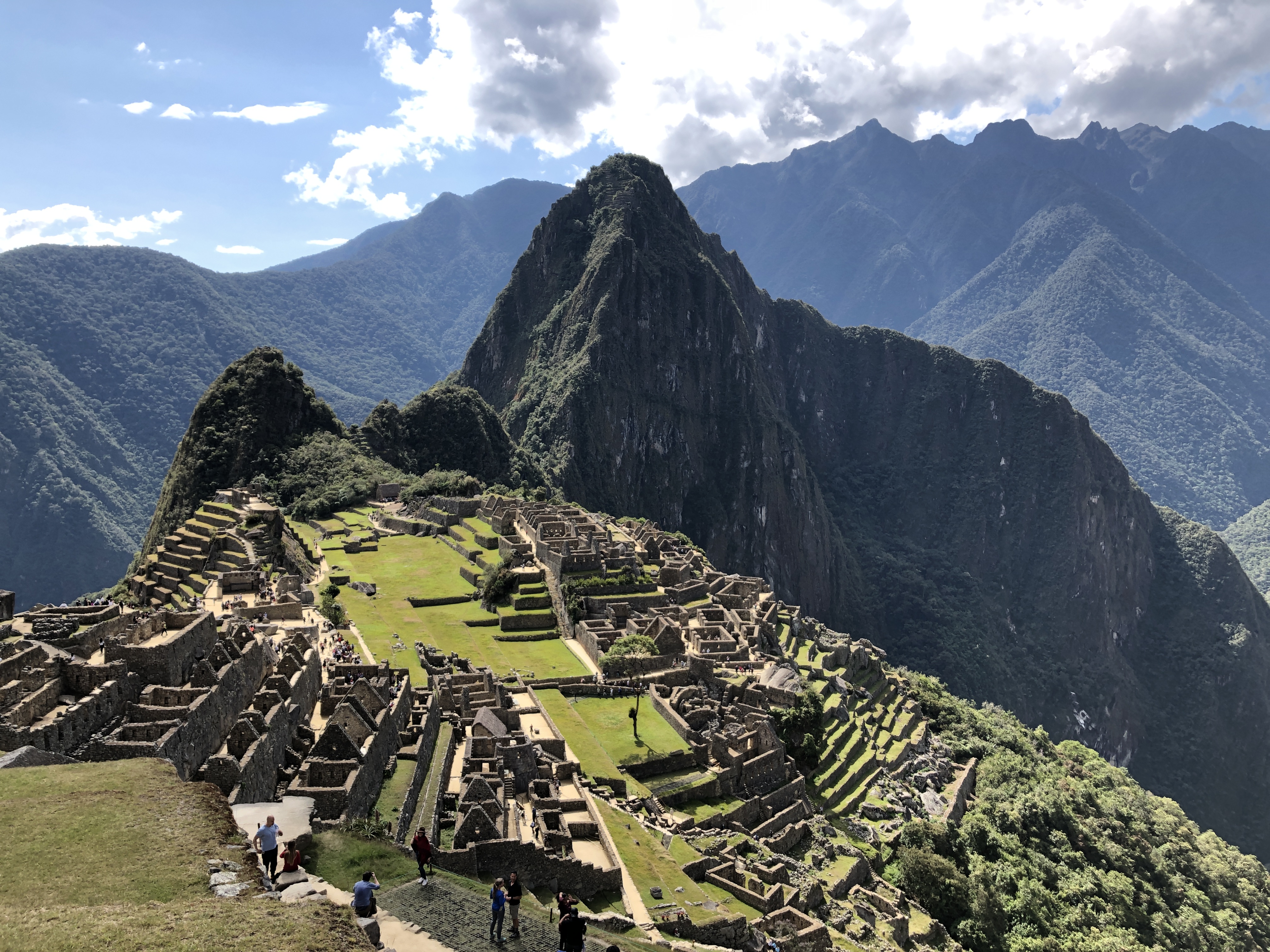

I will spare you the lengthy history of Machu Pichu. The summary is, no one really knows for sure why it is here or what the Inca were using it for. However, it is special because it was untouched by the angry, destructive Spaniards. And it is also in a pretty spectacular location! 
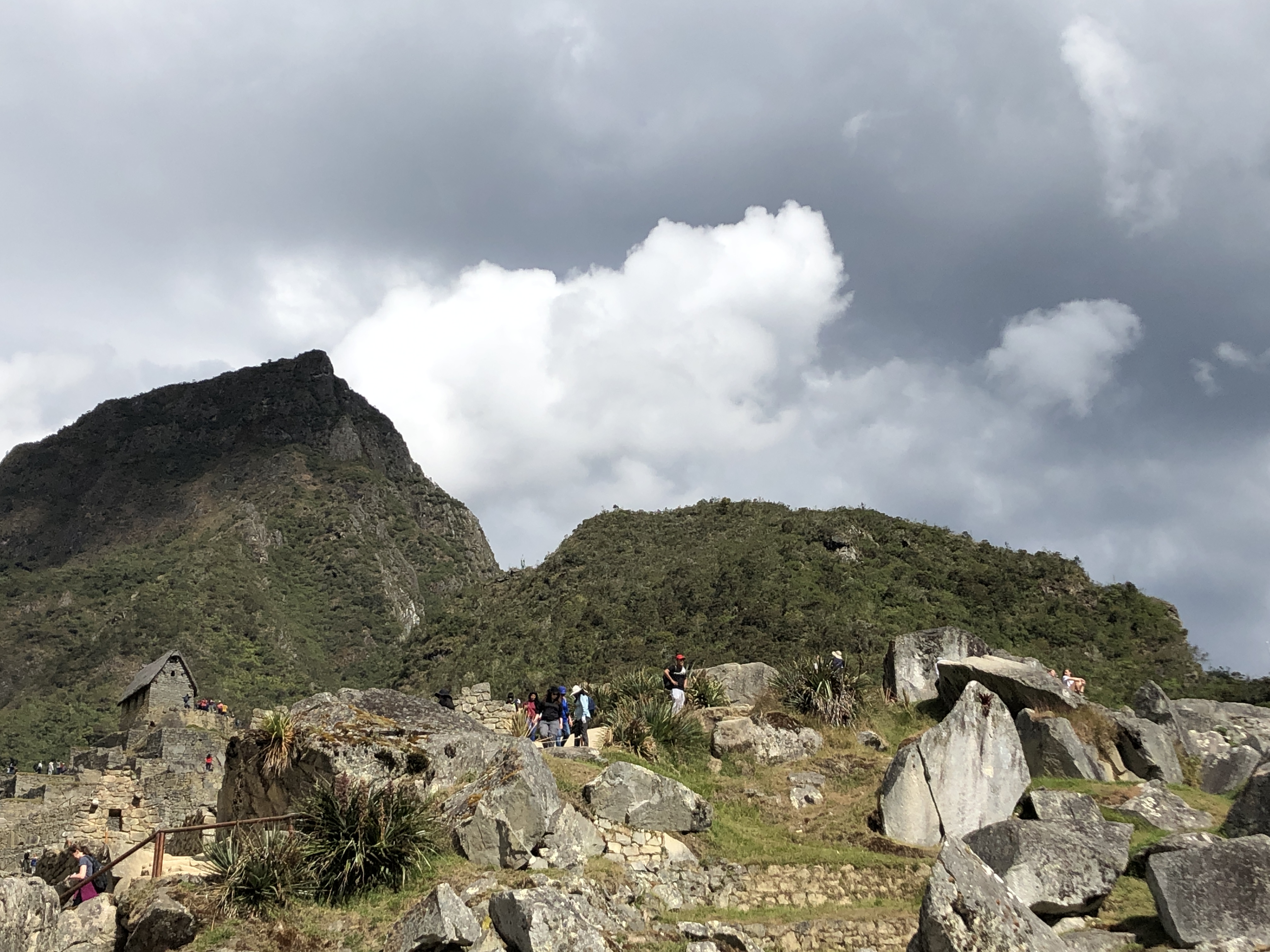


I want to first clarify that there are two places called Machu Pichu. The city of Machu Pichu is the place that visitors eat, sleep, shop and soak in hot springs. 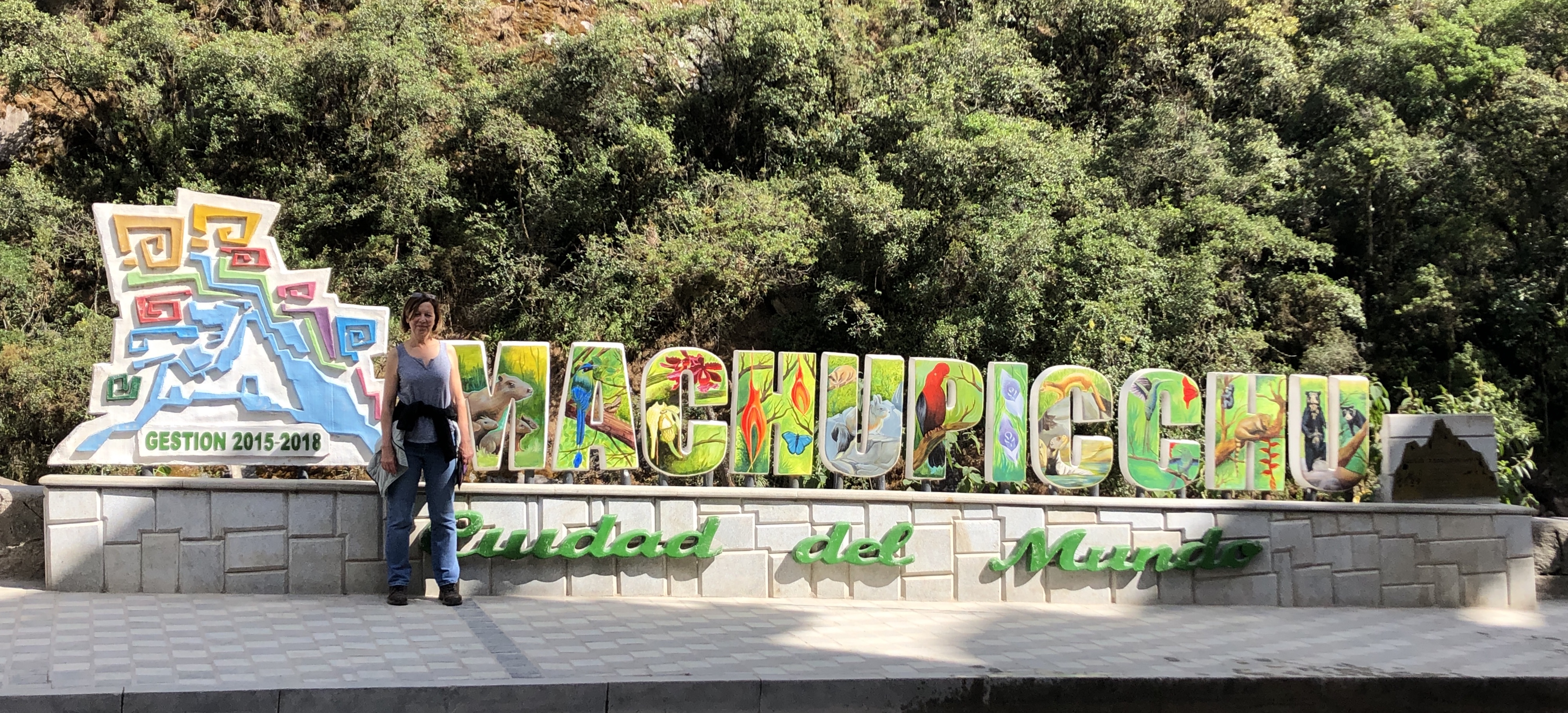
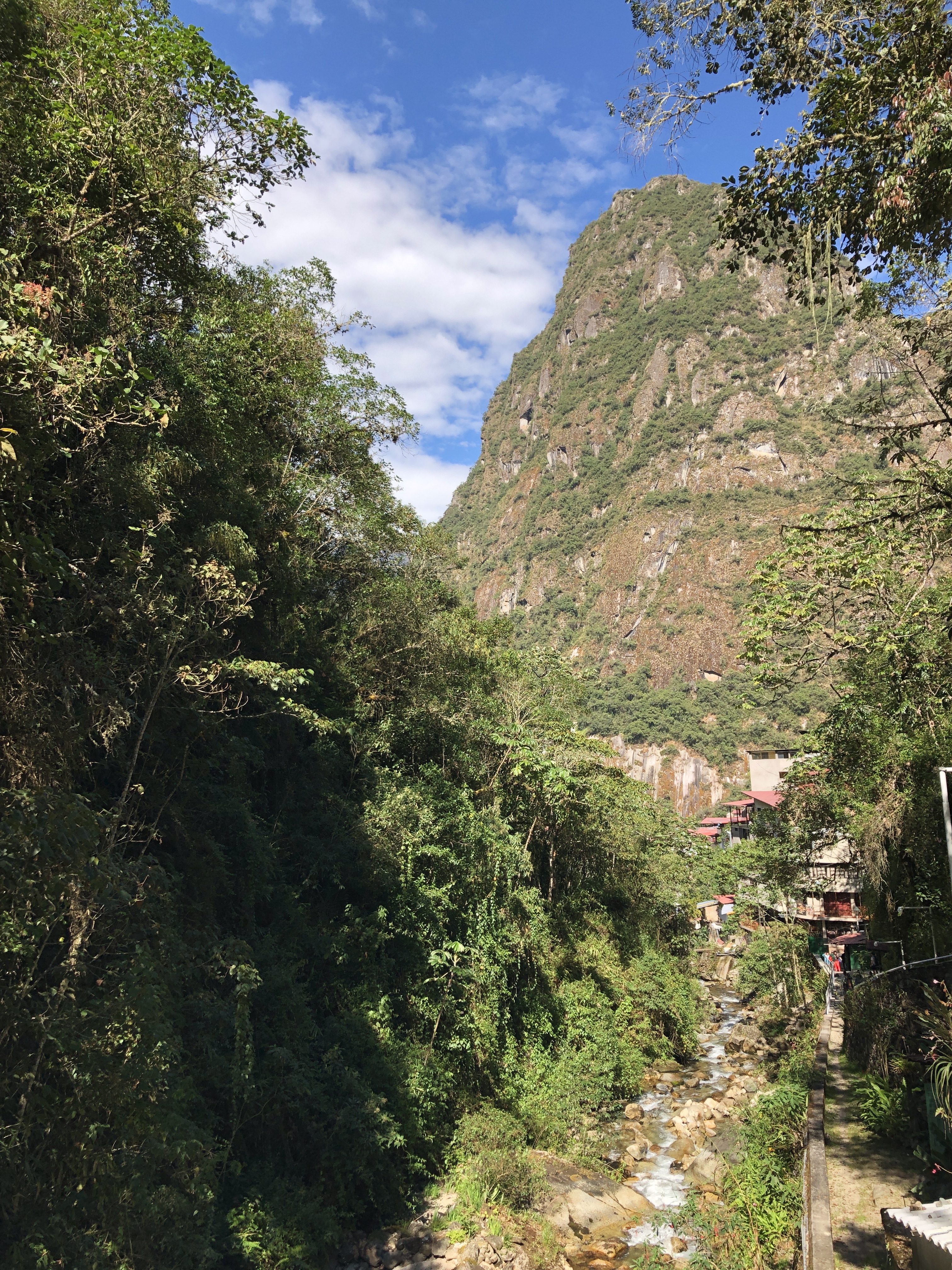



The sidewalks are occupied by people who are here only for a short time; backpackers, train-riders, tour groups and families from around the world. These visitors fill hotel rooms, coffee shops and restaurants with their languages and their money.


The businesses are run by Peruvians who live in tiny shacks and shared rooms, trying to squeeze out a living and send money home to their families elsewhere in Peru. The city is working to develop a little bit of style and culture of its own. These rock art carvings are popping up around town. 


All those travelers that are in the city of Machu Pichu aren’t really here for the shopping, or the art or the food, they are here to see this…
Machu Pichu is said to be “scientifically discovered by Hiram Bingham” on an exploratory trip from Yale. However when he arrived the local farmers were using the terraced land for crops, so it’s not really possible that he truly discovered the place. 


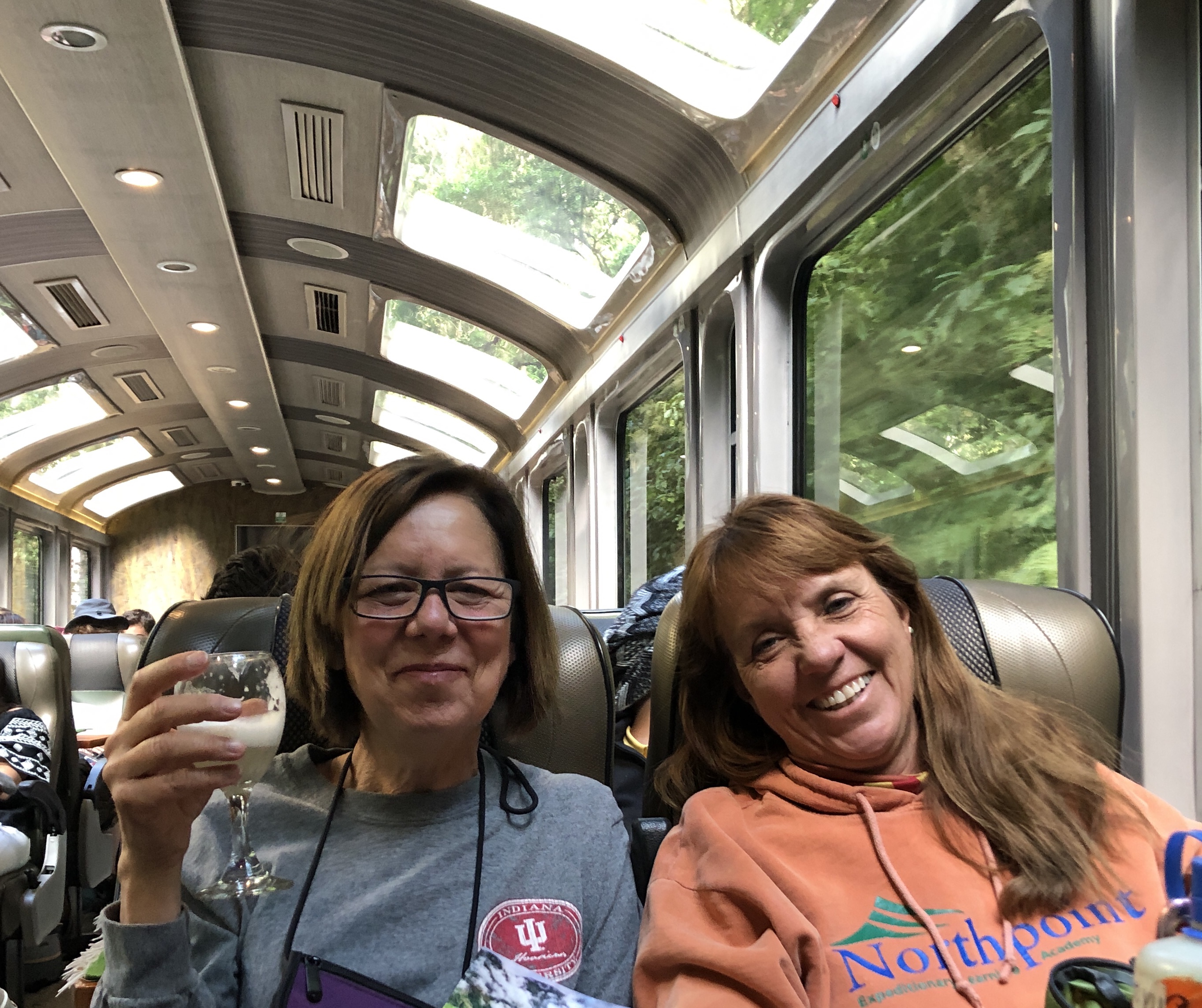
The first person from slowcarfasthouse to explore Machu Pichu was Geneva. She and her friend, Beth went there by train from Cusco. 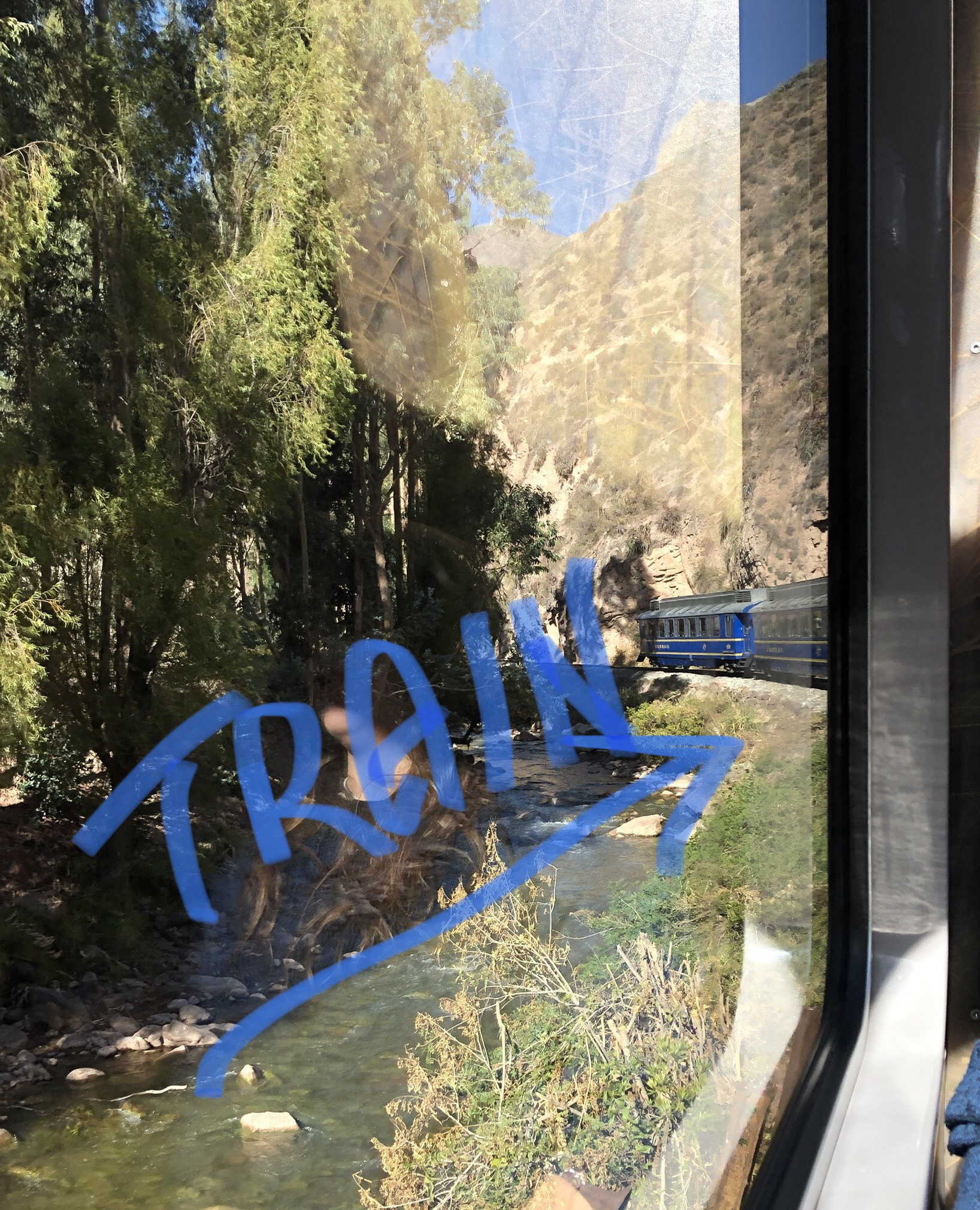

This trip included a beautiful train ride out of the city. The train climbed over the Andes and passed through the Sacred Valley. Then it went up into the hills surrounding Machu Pichu.


The train ride included a little bit of music, food and costumed entertainment. Quite a plush way to get to the ancient ruins. 

When they arrived they secured a seat on a bus that delivered them up to the gates of the ancient city. Because of the timing, it felt almost like they had the entire place to themselves.


They toured Machu Pichu with a guide named Freddie, and paid for the guide with a handheld credit card machine while standing in 500 year-old ruins. Life is amusing sometimes. 
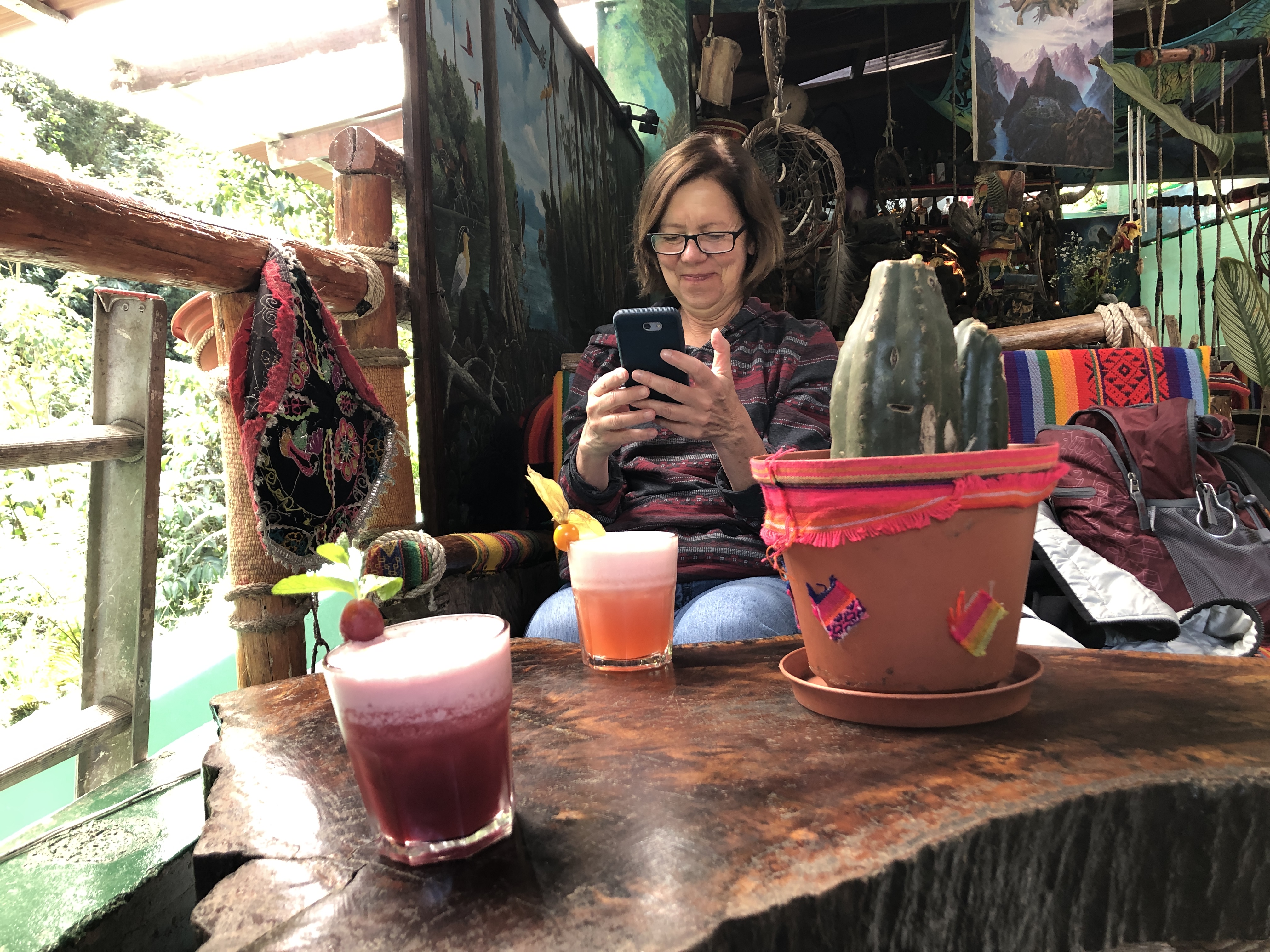
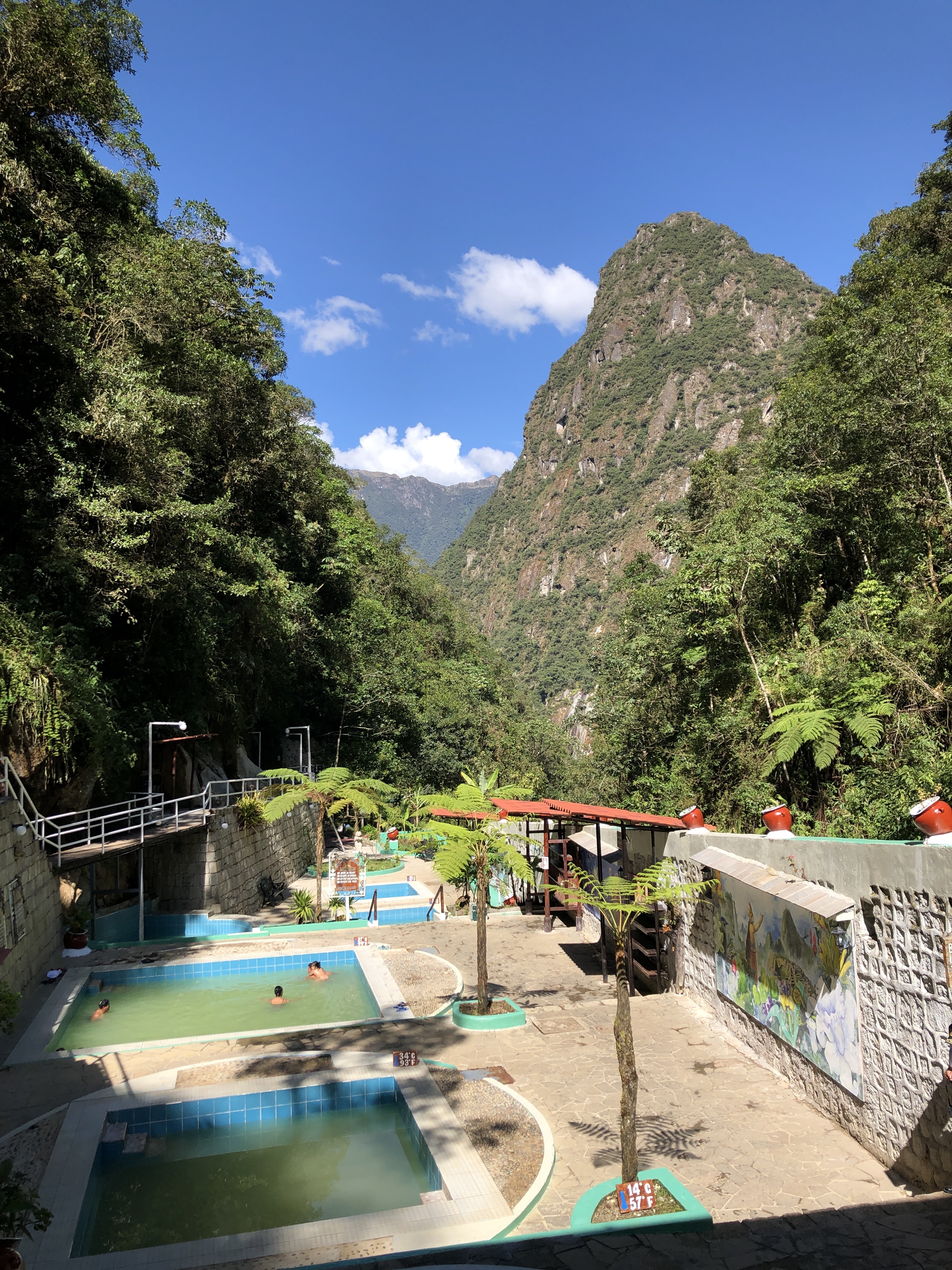


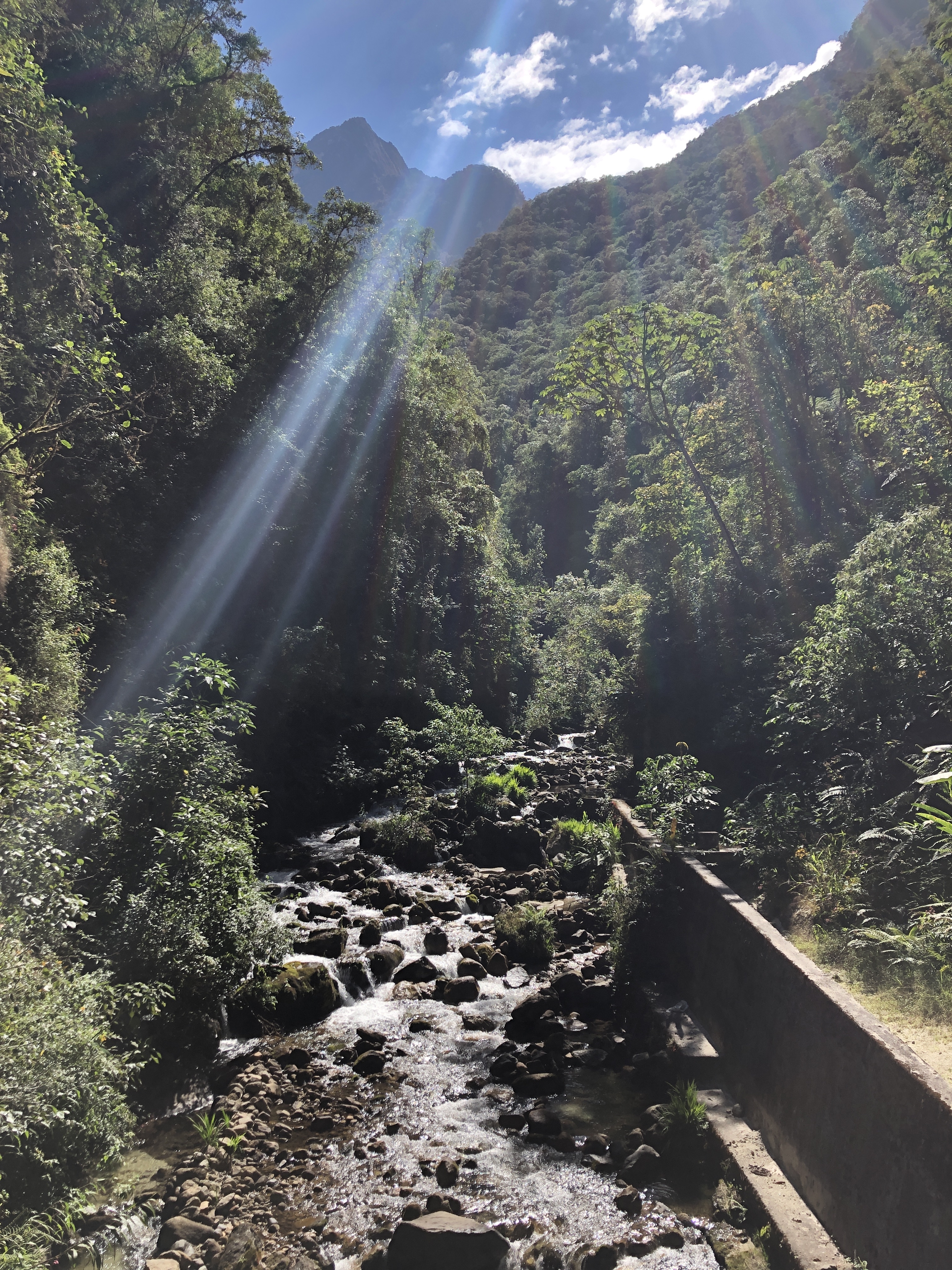
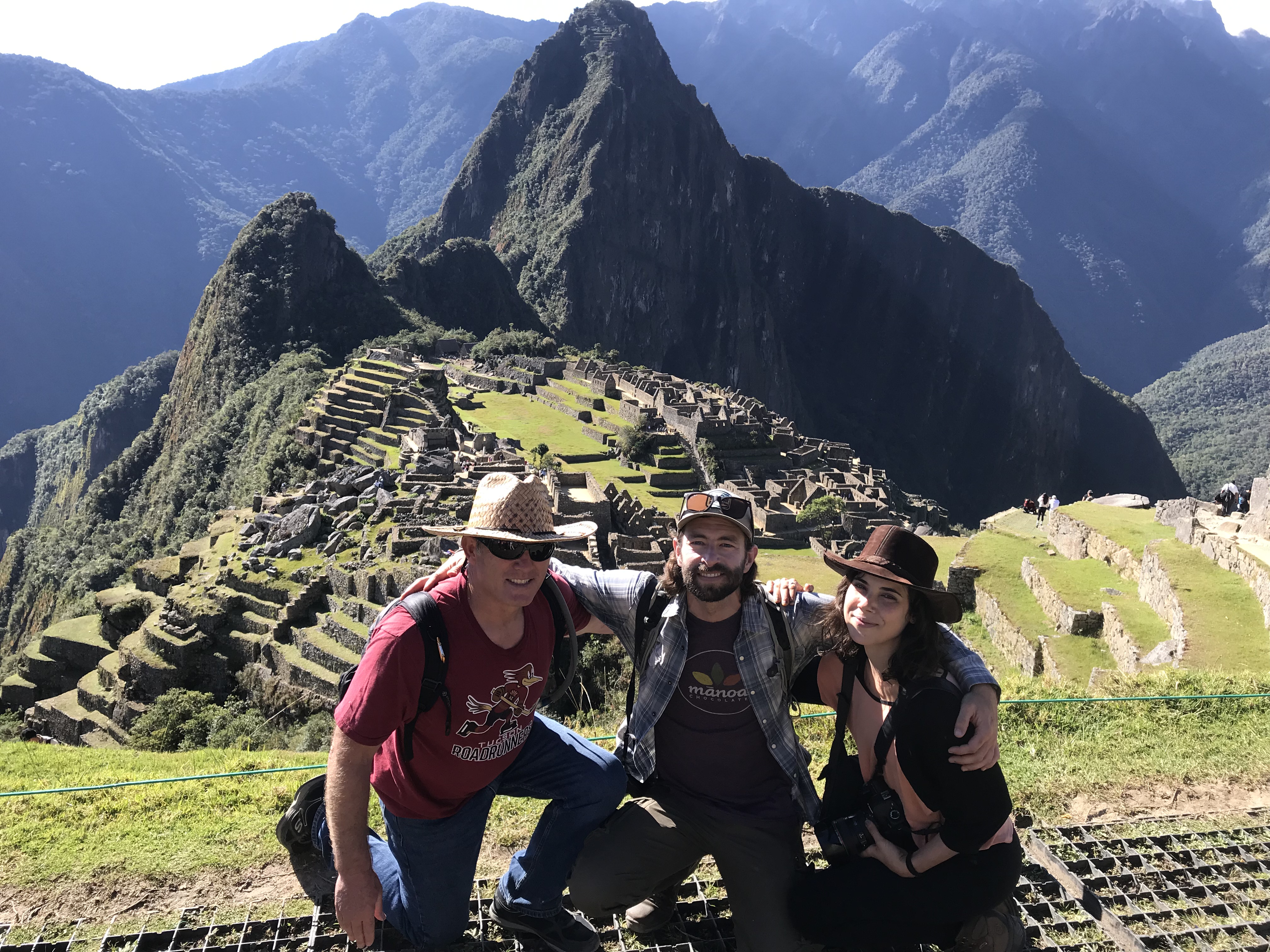
While the first method proved to be a comfortable and effortless way to visit Machu Pichu, Mike did it a little differently. With friends Laura and Ryan, they hiked from a nearby city of Aguas Caliente. While they were hiking and spending the night in Machu Pichu city, Geneva and the dogs were safely parked at a beautiful riverside campsite. 

Their hike followed a popular trail along the train tracks. The terrain is flat and green. They hiked to the city of Machu Pichu (four hours). Once there they checked into their rooms and then took a bus to the gates of the ruins. They spent many hours exploring the Machu Pichu ruins. 


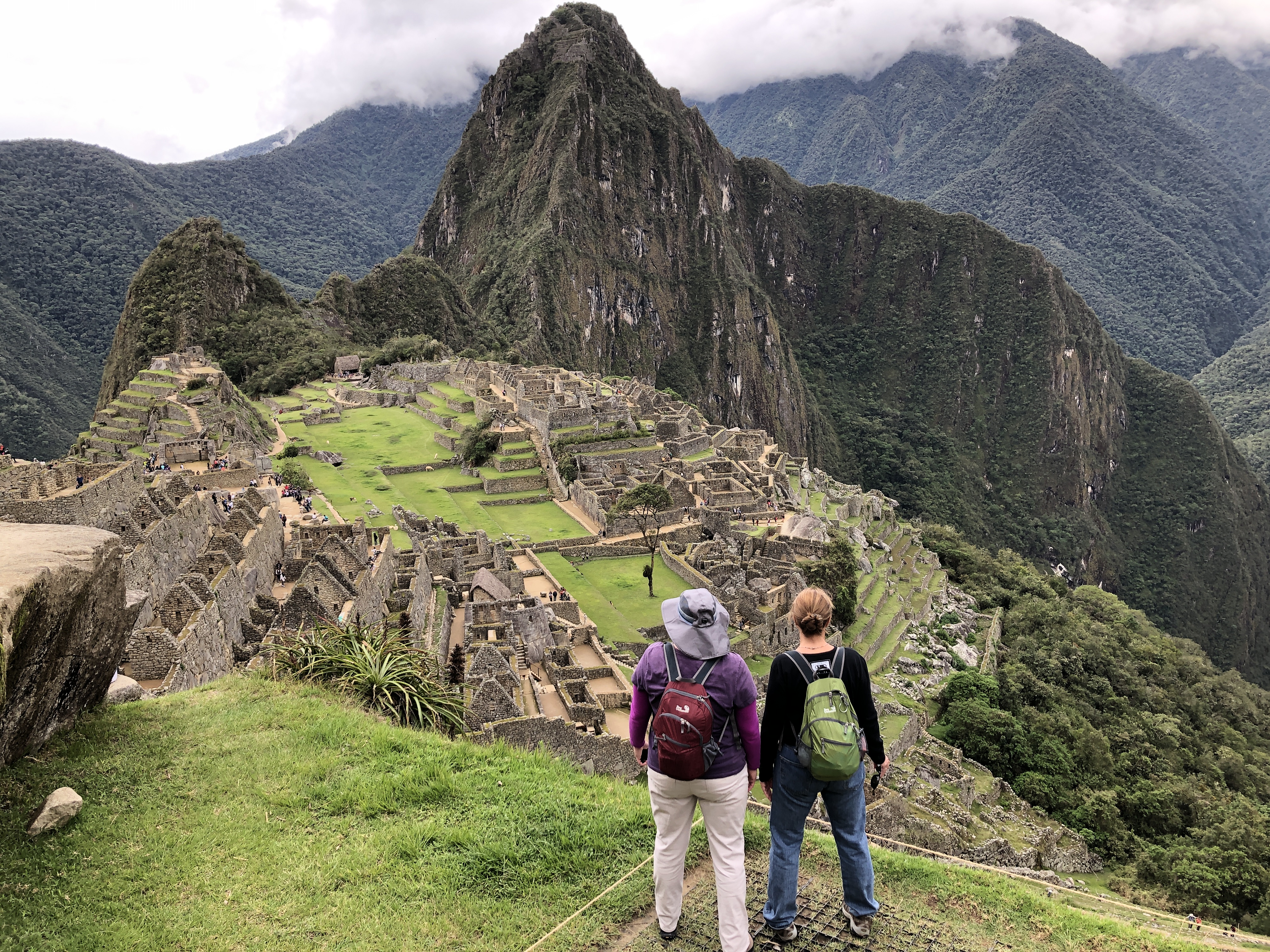
The third visit to Machu Pichu city and Machu Pichu ruins included Geneva and her childhood friend, Lidora. For this visit they took a shorter train ride, just from the ancient city of Ollantaytambo.




The also spotted a large lizard lounging on a warm rock along one of the terraces. 


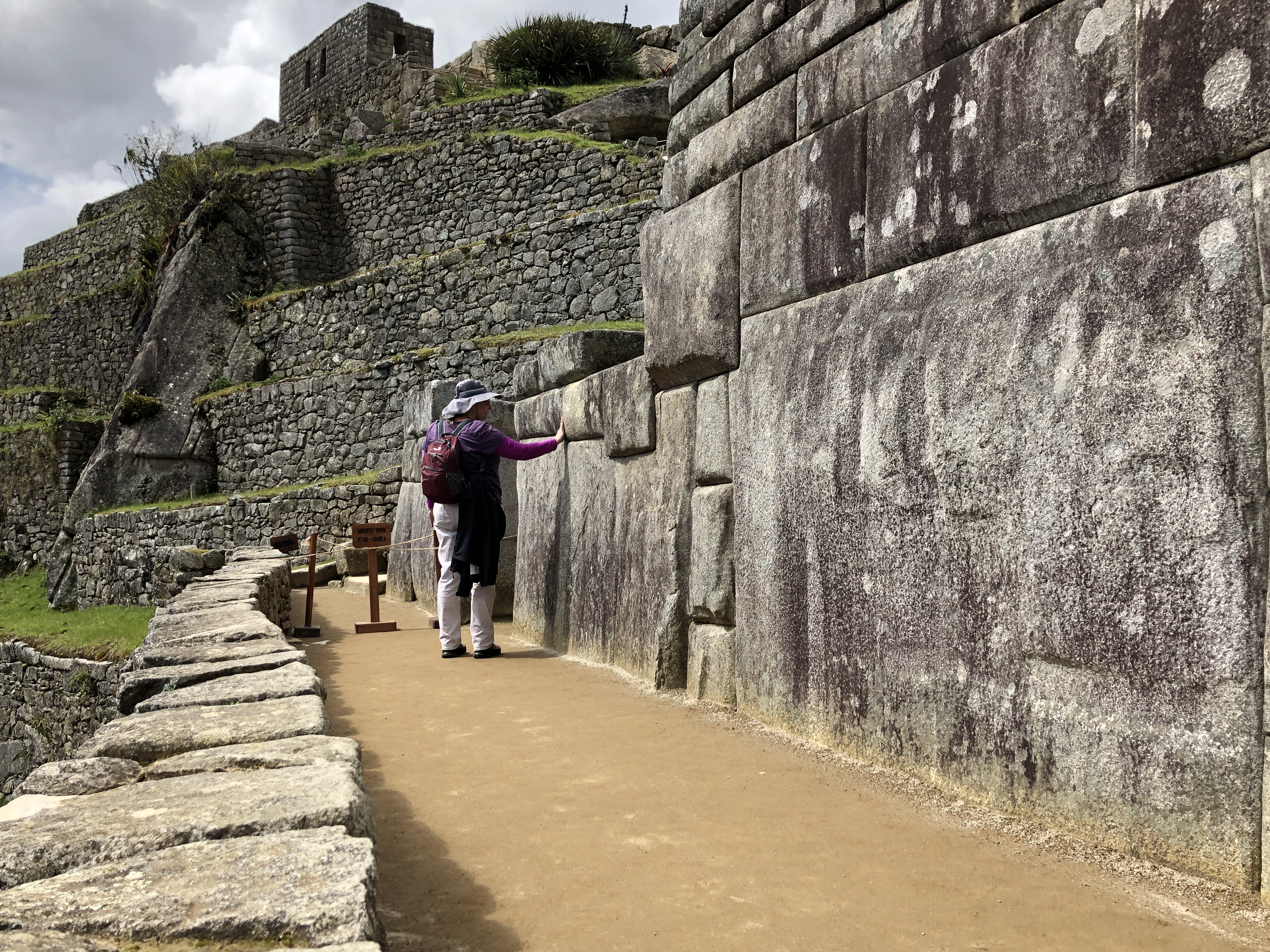


They would also heat the huge rocks by building a fire under them. Then throw water on the rocks to cause rapid cooling. The rocks would crack and crumble into a size that could be carved to fit the needs of construction. Once they were carved to the proper shape the stones were moved into position using a roller stone. These long, cylindrical stones would be placed underneath the large stone. 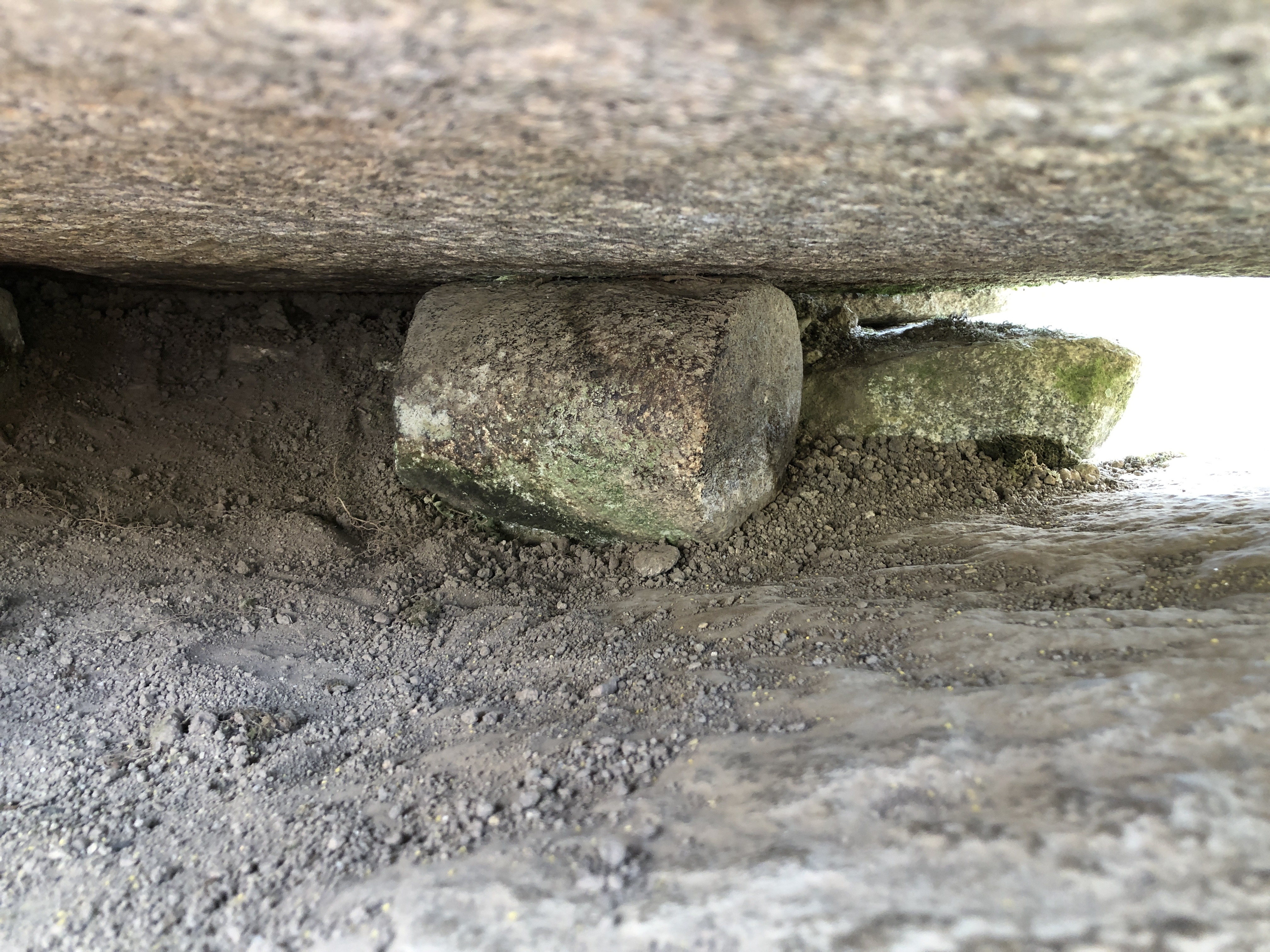


We also learned that this is a UNESCO site, and the rules for that include forbidding further reconstruction. This means that from the day it was named a UNESCO site, it can have basic repairs made, but no new reconstruction can be completed. So as trails are cleared and walkways are maintained, the stones they gather can only be placed in neat piles. Throughout the ruins there are piles like this, that contain stones which fit into the puzzle somewhere, but will remain there untouched. 


One of the hardest aspects to ponder at Machu Pichu is the sheer impact of tourism. There are over 5,000 people per day at this location. Five thousand people with their footprints, their weight and their exploration of the ruins. Because of this, some areas are closed off and others are beginning to show the effects. Coming up with a solution is a very real matter for the future of this treasure. 


I will close with a gathering of the beautiful photos we each took of this amazing place. We feel very fortunate to have had the opportunity to experience it in different ways.


