

We had a little time to explore some off highway areas of Peru so we decided to go through the Central Highlands along the edge of the Amazon and over the the Cordillera Blanca. The Saywite (alternative spelling: Sayhuite) Ruins and Saywite Monolith was our first stop. 


This stone contains carvings of animals, humans and religious temples all intertwined with water channels. It appears as though it was used to study the flow of water through terraces, streams, tunnels and irrigation channels. It is believed that the stone and this site were part of an Incan religious center for water worship ceremonies.
Also in this archeological complex is a temple with an elaborate, terraced, water flow system. The main temple has several rooms which we explored. Notice that Nica was allowed to wander freely through the ruins with us.


On the backside of the temple we found a small group of school children doing their homework. Behind them is the elaborate water feature of the temple. (now dry for purposes of preservation) What an amazing place to meet up with your friends!


The final stone we examined in this area is a HUGE boulder that has been carved for a specific, yet unknown purpose. Sometime after it was carved, this boulder was split dramatically in half! Because of the size of this boulder, you can imagine the force that was necessary to split it right down the middle. 


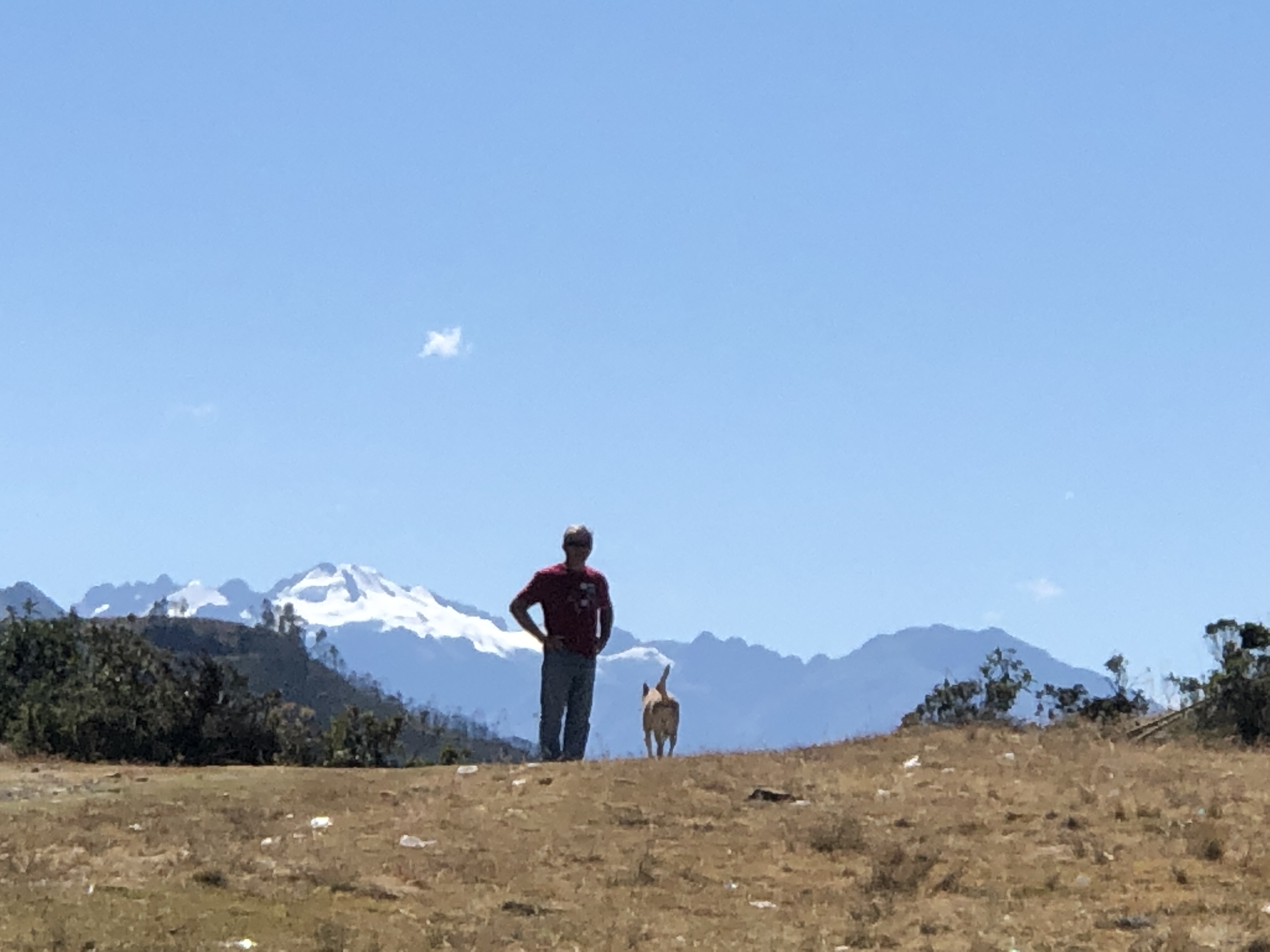
Our next campsite was the parking area just outside the Caramba Ruins. This area is an unrestored archeological zone, believed to have been an Inca administrative site. The rough condition demonstrates the way many of the famous ruins of Peru would look if they were isolated and unfunded as these are. But even though it isn’t restored, the temple at the end of the central field is quite impressive. As are the snowy peaks of the Andes on the horizon. 


Continuing our Inca ruin exploring, we found our way to Vilcashuaman and the ruins in the center of town. This town contains multiple ruins. The central focus is a significant Inca temple which includes tunnels, storage areas and a throne. It was used as a point of worship by the indigenous people long after the defeat of the Inca. But at some point the Spanish missionaries ordered the people to build a Catholic church right on top of the temple. Thus it remains as an interesting juxtaposition of the old and the new.


We were really beginning to climb in elevation and drop in temperature. This area of the Andes is dry and rather flat. It may be described as grasslands or high savannah. Nica and Geneva found a horse that needed some water, staked out in the center of a large field. The grateful horse enjoyed three buckets of water!
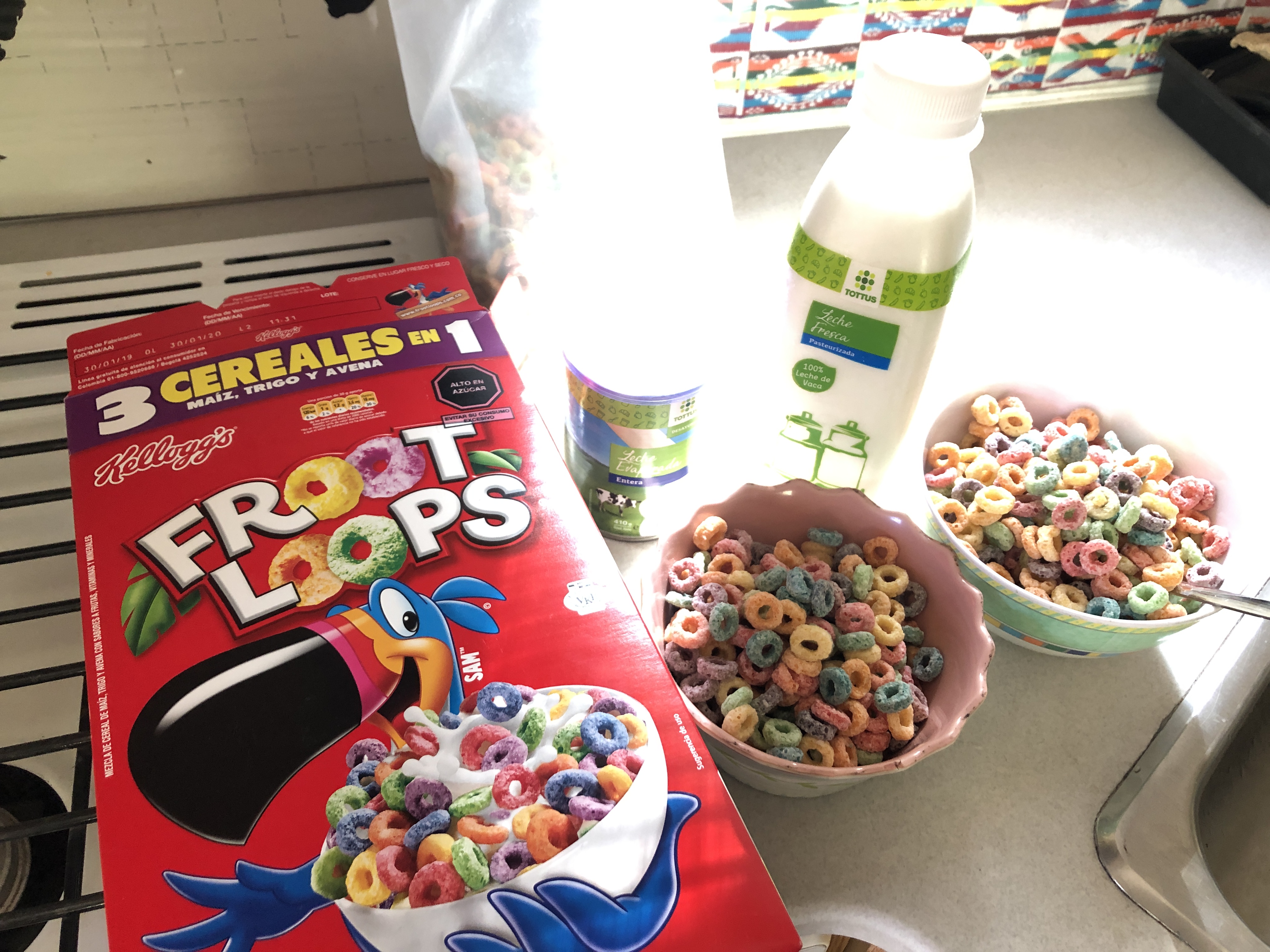
In a small grocery store, in the middle of nowhere we found a special American treat which we promptly enjoyed for dinner. Don’t laugh, please!!


Speaking of the dogs, Pacha is learning to be relaxed in the truck. In this photo she snuck over Mike’s shoulder and delivered some gentle ear-kisses while he was driving. Silly dog. ( we will feature her adoption story in a later post ) 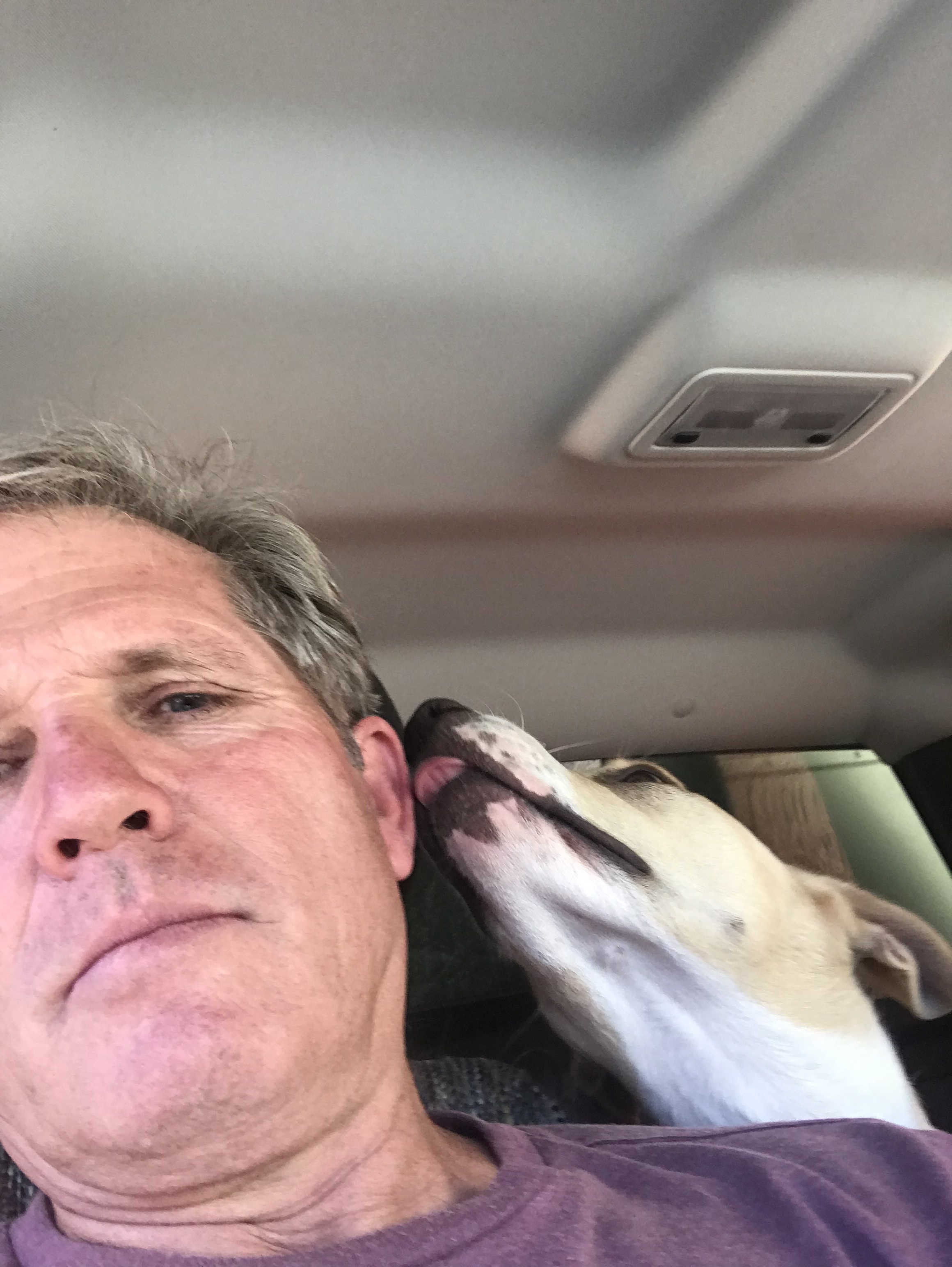


Of course we enjoyed a delicious trout lunch in a nearby restaurant. As we left the area we encountered several fields of the biggest export vegetable of Peru. Do you know what these are?


If you guessed artichoke, you are right. Peru is a major exporter of artichokes worldwide. Although we seldom see it on a menu in Peru, we do see artichoke in cans at the grocery store occasionally.


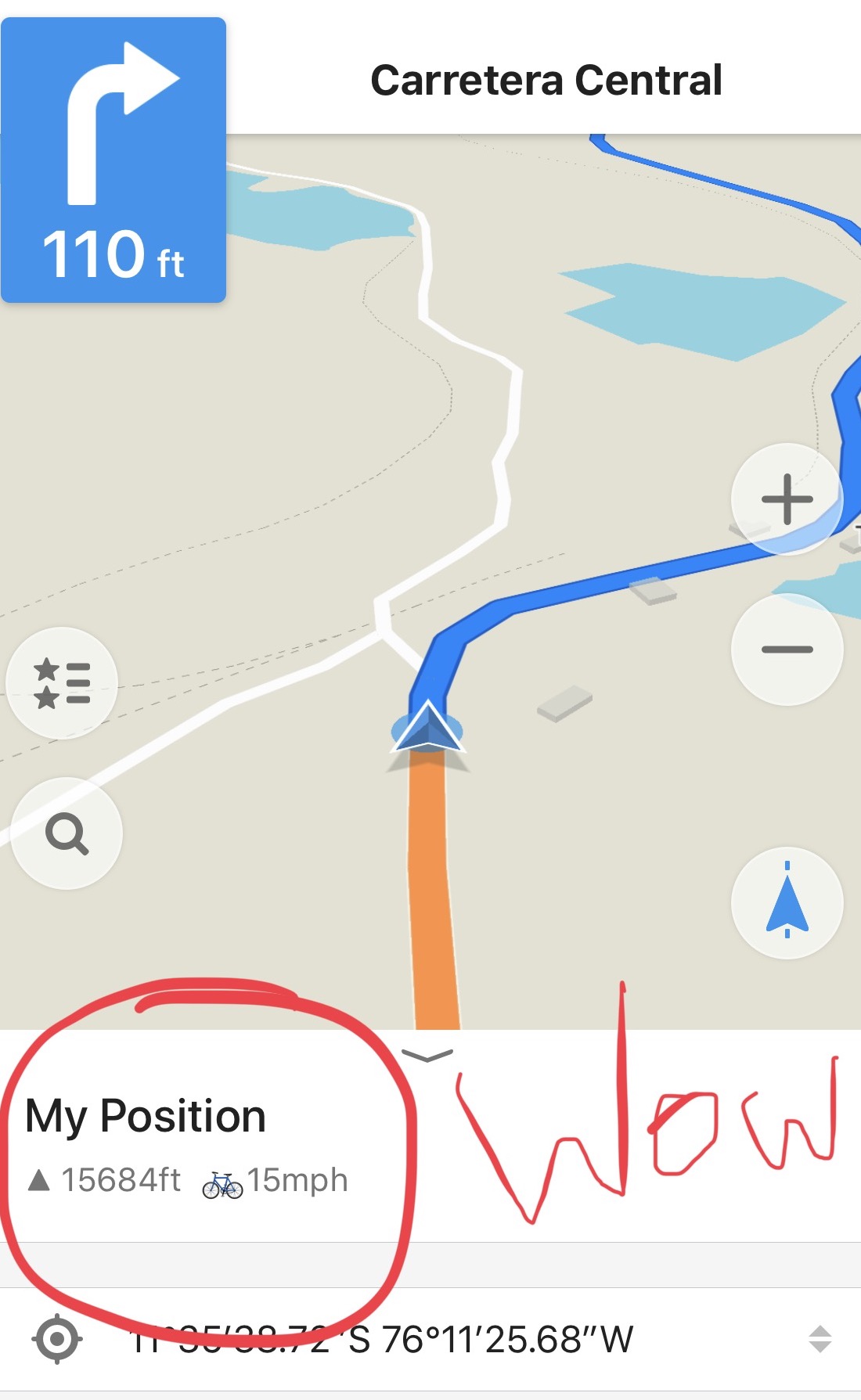
Finally it was time to get serious about climbing the Andes in the truck camper. We began in the grasslands, and climbed a slow and steady route into the mountains. The road turned to messy, sticky mud as we entered a 75 mile stretch of road construction. 


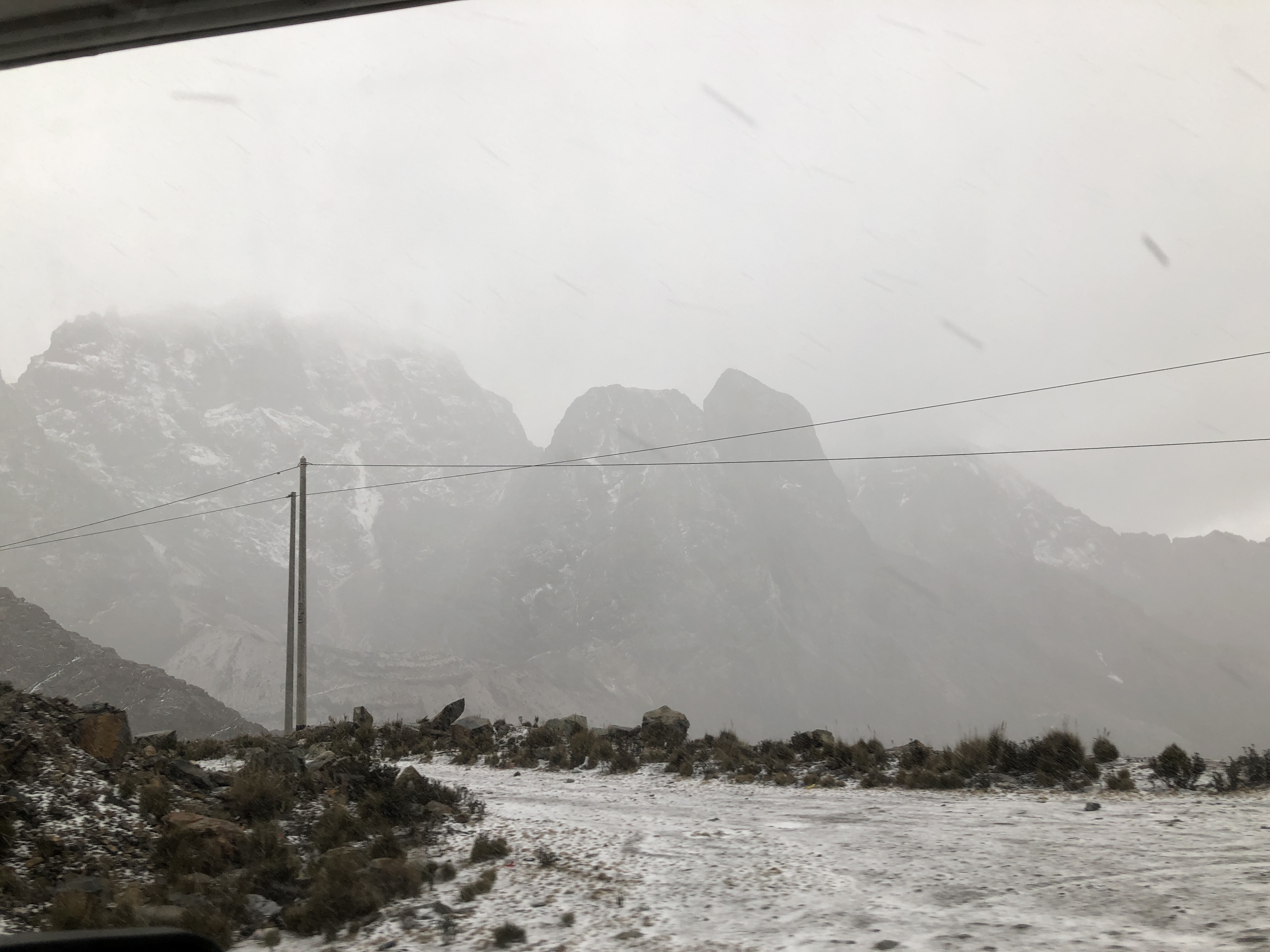
As we crossed through the mountain passes we encountered rain, then snow, then hail. All of which made the road even muddier and the views even more dramatic. 

We also encountered a few sobering scenes of the mining camps in these beautiful mountains. There are some fantastic movies out about the impact of mining in Peru. The ravages of these foreign companies, as they slowly destroy the Andes, was very evident on this section of road. Later we encountered a protest being staged in a small city, regarding the unfulfilled promises from the mining interests in Peru. 


