

This country is rich with indigenous heritage. The various cultures (tribes) are respected and honored with positions in the government and opportunities to improve their communities. Many traditions and practices continue to be a part of their daily lives. Raising, cooking and eating cuy is one of those traditions. Cuy (in the USA we call it guinea pig) is as common on the daily menu as chicken or beef. (As of this writing, we have not tried it)


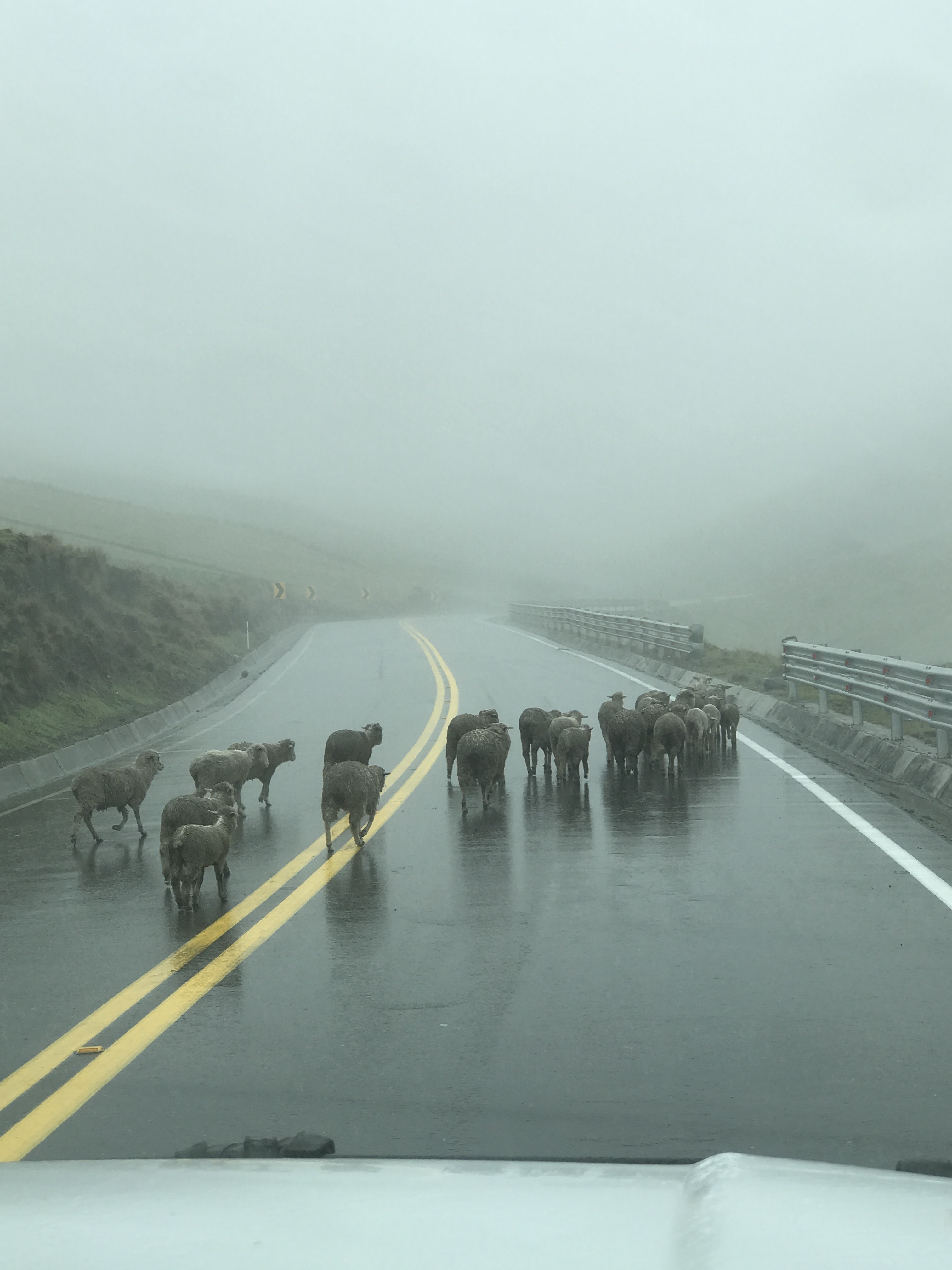

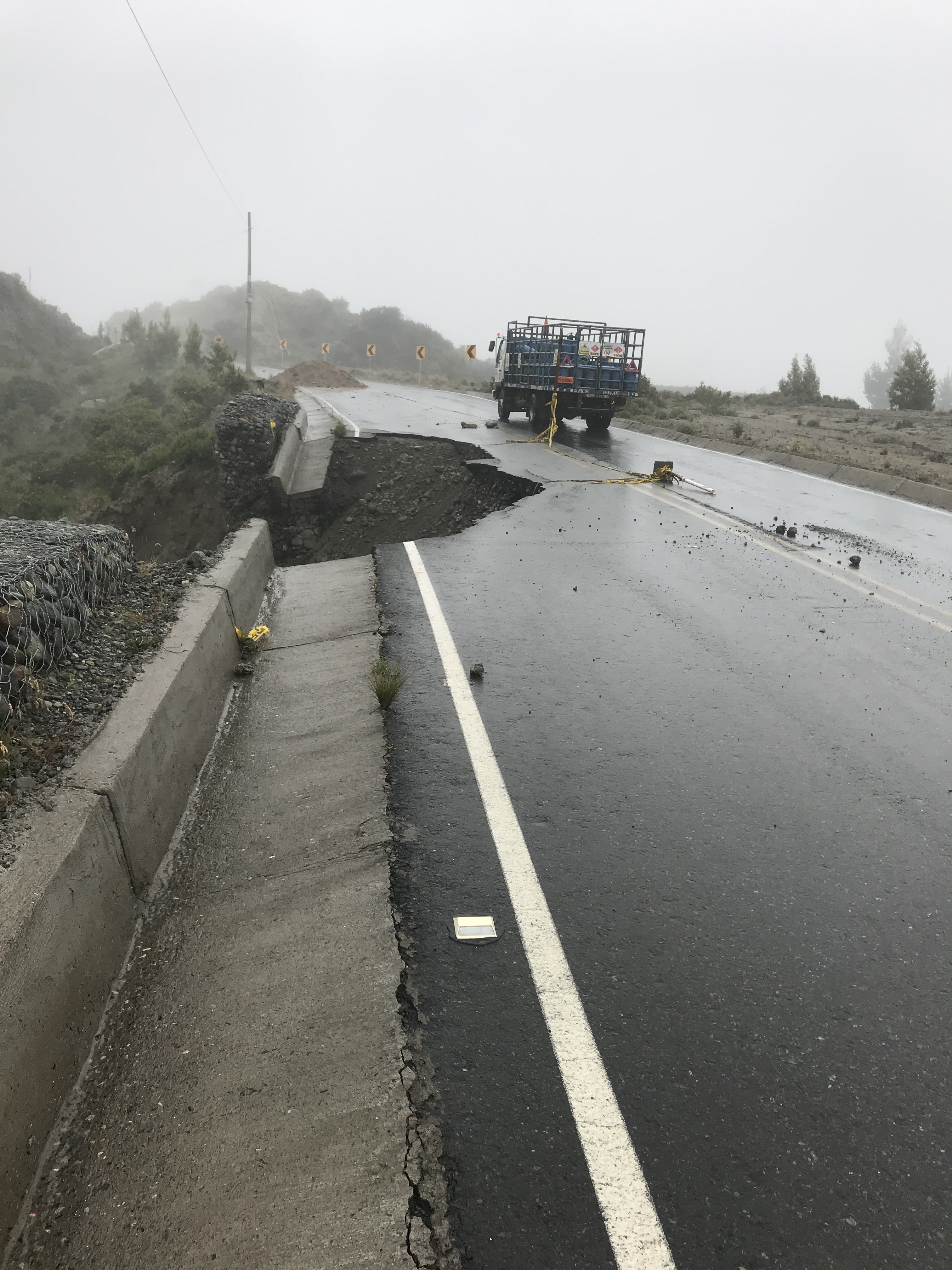
But sheep are not the only thing we must watch for when driving along the PanAmerican Highway. The rain produces many washouts, rock slides, mud slides and even completely collapsed roads. 



One afternoon we stopped to see a very, very old church. It was locked, but instead we spent time watching the dismissal of school for the day. In the photos below we see school children who are going about their afternoon activities. They are purchasing snacks, making plans, flirting with each other and loading up the informal school bus that will transport them to their homes in the surrounding hills and valleys.


We had another cute exchange with children in a small village where we camped for the night. We parked near a small river and curious children came to look at us. 


On the way back to our campsite we found a cage full of crabs. Nica thought this was fascinating. She stopped to watch CRAB-TV for several minutes. 

We did find an old church a few days later. This church is reported as the first church in Ecuador. It has tumbled down due to earthquakes, and been rebuilt. If you look closely at the front of the church


you will see that the designs and patterns don’t quite fit together. This is due to the rebuilding processes after the damage in 1534. They were in such a hurry to repair the building, that they did not take the time to look closely at the patterns in the stones. Additionally, there were no photographic records for them to follow, so they were rebuilding from memory.
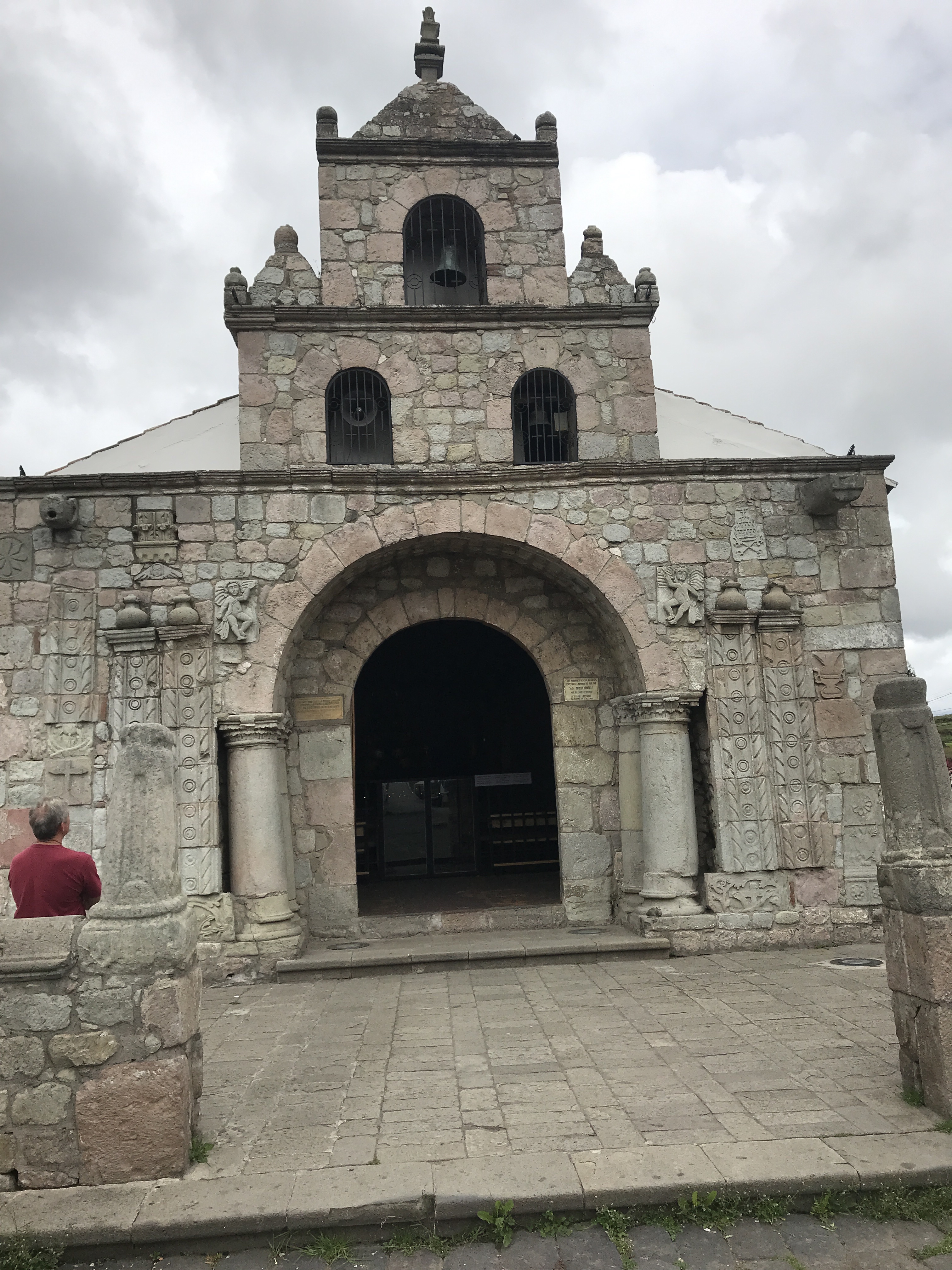


The inside of the church is also unique, as it was built on the site of a small, religious pyramid. The altar area at the front of the church is a pyramid shape. Then it is adorned with Catholic idols. This is another example of how the Spanish conquerors tried to integrate indigenous practices with Catholicism in order to convert the natives. We have seen this done in many ways, but this is the first pyramid inside a church. 


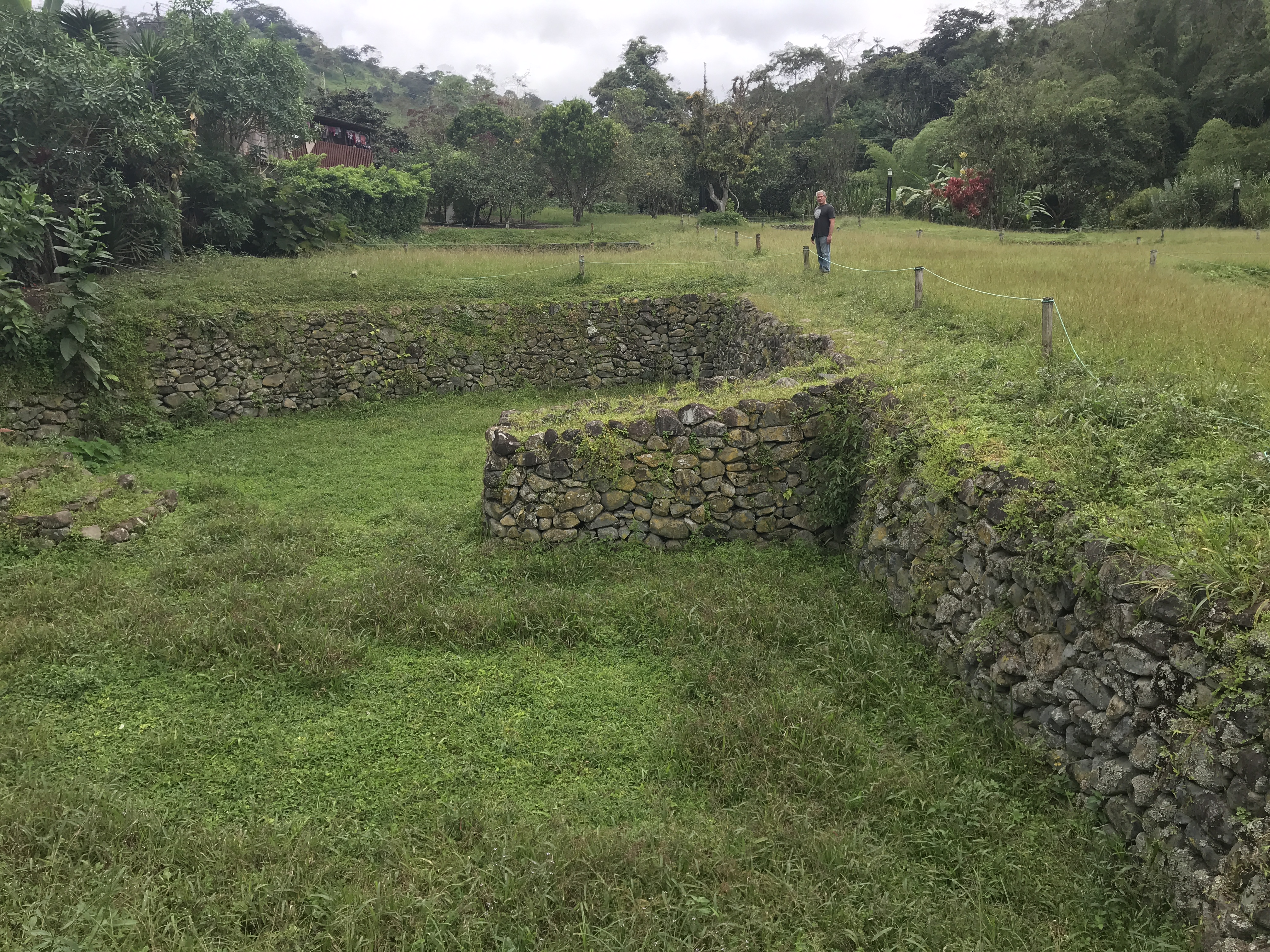
And speaking of the natives…… we visited one of the relatively few archeological sites in Ecuador. This area is known as Tulipanes. It is comprised of a series of tubs or baths that were used ritually for the tribes living in this region. They had an elaborate system of canals, bringing spring water into the baths, and then discharging the water into the nearby river. Apparently they did not bathe in the river. Much of this is speculation, as there is little record of the groups in this area. 


One of our final stops in this region was a surprise encounter with a winery. Growing grapes and producing wine is a rather new industry for Ecuador. We took a wrong turn and ended up turning at a vineyard. They invited us to view the cava and sample the wine. While there, we met a German man who is writing a magazine article about this place. They are really hoping to break into the world wine market with their product. We did our part to help, by purchasing several bottles to take to Arizona. Of course, we forgot to pack them when we left, so we will drink them ourselves! HAHAHAHA.


