Antigua means, “antique” in Spanish. The city of Antigua is truly an antique, a relic of the past. This city was once the bustling business and religious capital of the country of Guatemala. But after many cycles of volcano and earthquake damage the residents abandoned the efforts to rebuild and restore. The capital was moved to the present-day location of Guatemala City. This move left behind a beautiful, old colonial city with many tumbledown churches, cobblestone streets and an interesting blend of cultures. 


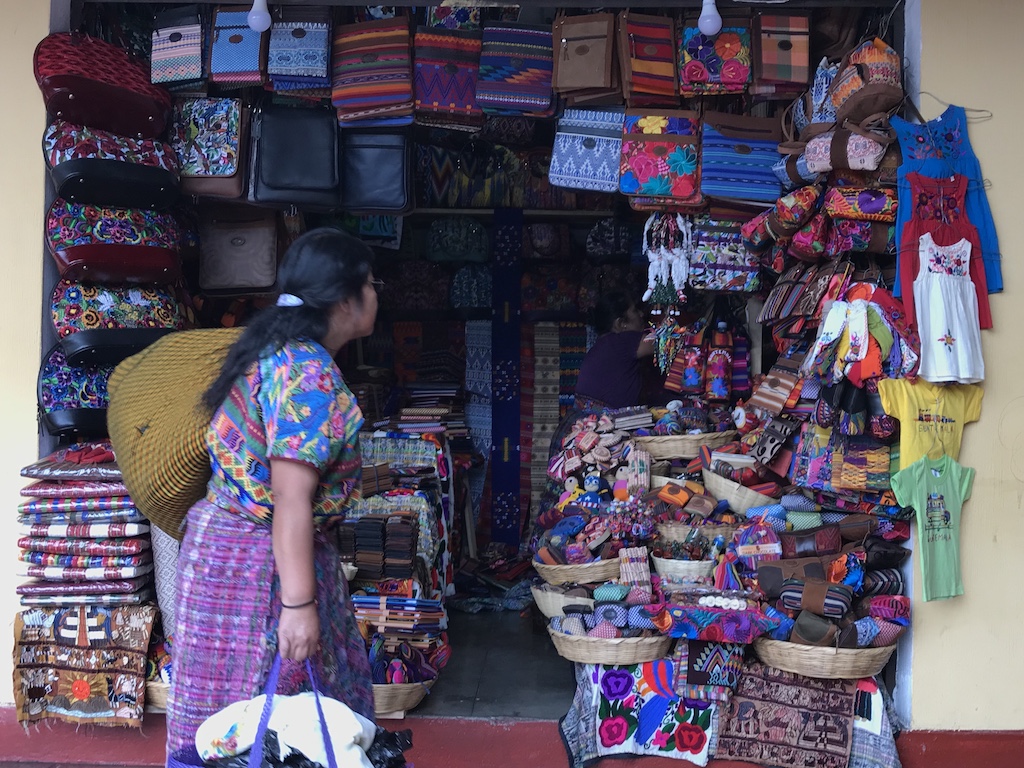
The Mercado in Antigua is one of the largest in the area. It is clearly laid out to serve the tourist trade. Even cruise ships send busloads of people to Antigua to shop. But the market is also a bustling trade center for the neighboring villages, as traditionally dressed Mayan women shop and sell through the aisles. 


Mayans are very aware of their use of the planet, and the impact of over-population. I was curious to spy this poster, offering free and low-cost birth control, by a government agency. The IUD and implant are free. The vasectomy and tubal ligation are about $15 usd. Such an interesting promotion. 

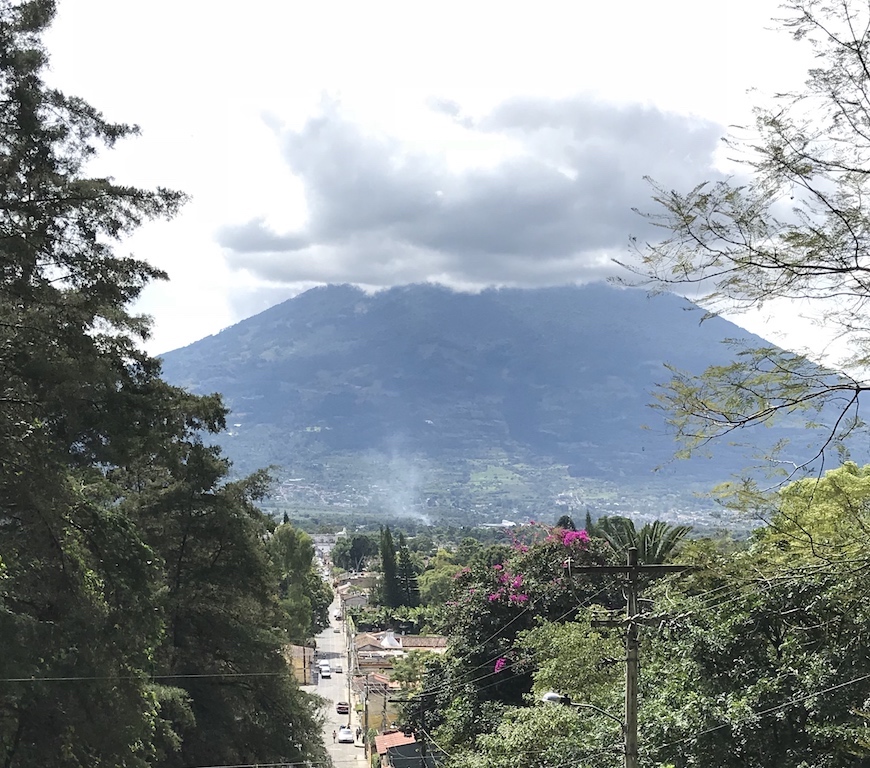
Antigua is nestled in the valley of several volcanoes. One can be seen on the South end of town. This ever-changing scene plays out in clouds and colors throughout the day. The beauty continues as the street lamps are lit and the glow remains in the sky.



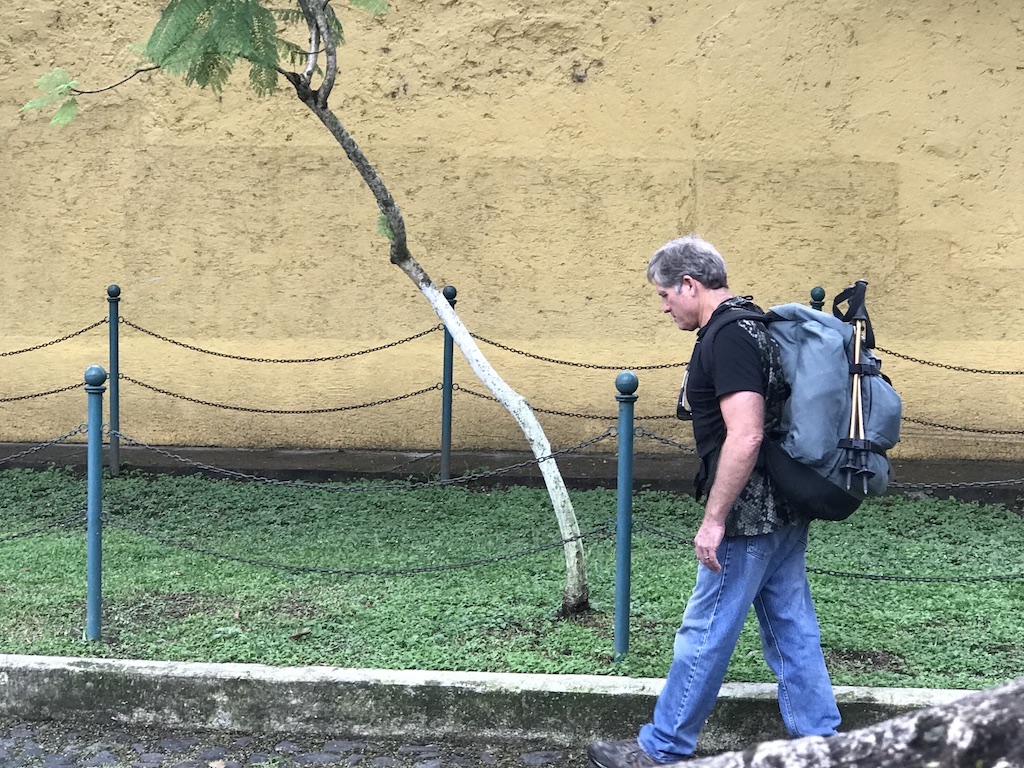
A popular recreation that draws many visitors to Antigua is the hike of Volcano Acatenango for the views of Volcano Fuego; hiking up an inactive volcano to look across the small saddle at the active volcano. This is typically an overnight expedition, requiring logistics, backpacks and warm clothing. Mike signed up for the hike and immediately felt nervous about the journey ahead. He packed a bag and paced the street, testing the weight and pondering the challenge.

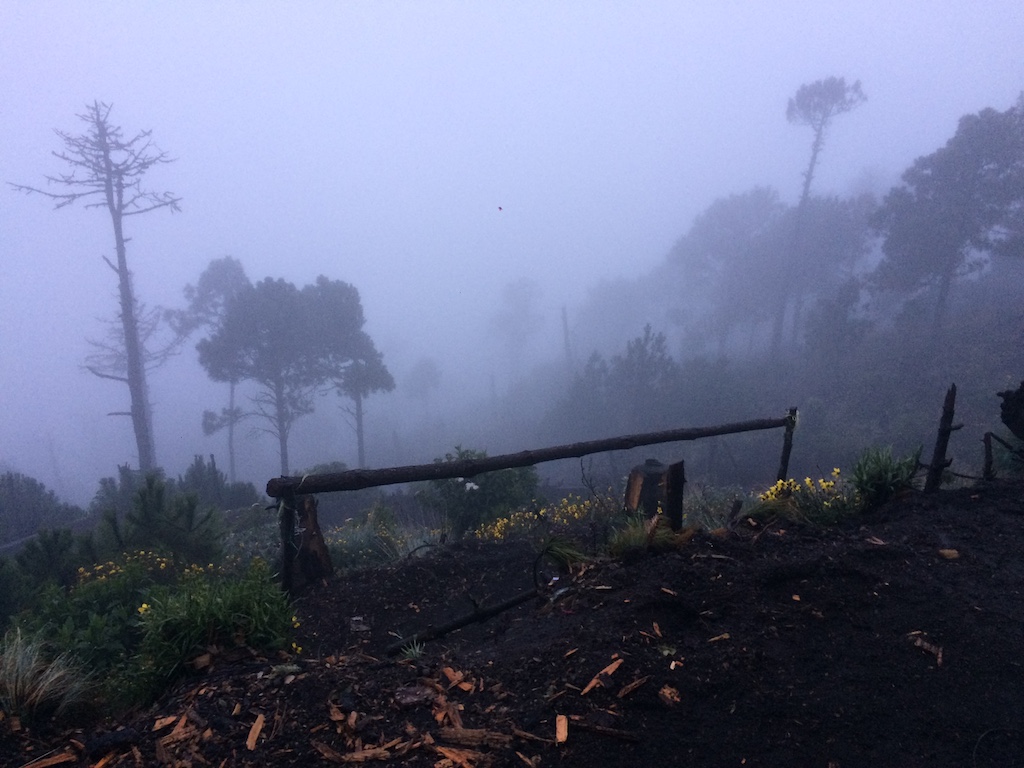
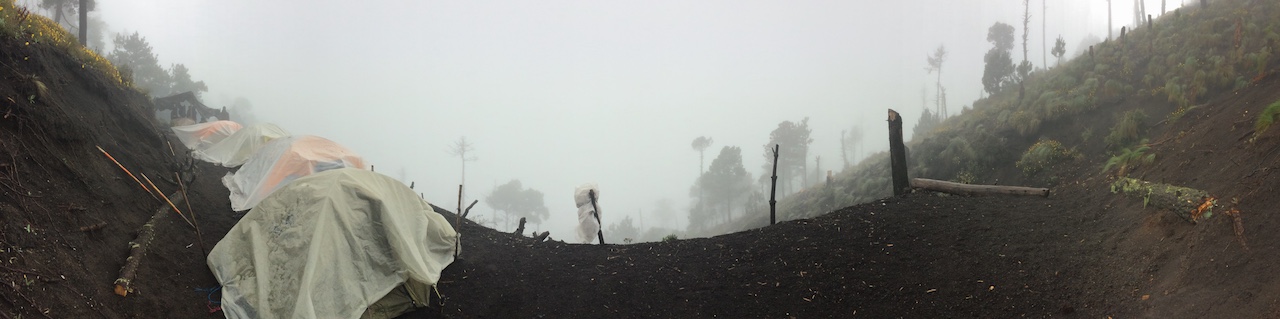
After an early morning departure, he tackled the volcano mountain with the group and felt strong and capable. The scenes on Acatenango were cloudy, misty and murky however, and views of the glowing Fuego never did present themselves. 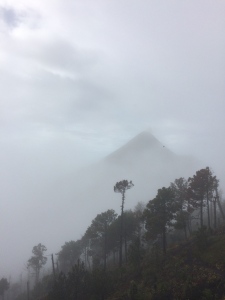





While Mike was hiking, Geneva attended a cooking class. Working alongside a restaurant cook in a typical Guatemalan kitchen she learned to make some regional dishes. The beautiful Guatemalan rice includes thinly sliced carrots, bell peppers and celery. 


We actually visited Antigua three different times. Twice we parked in front of Hostel Antigueña, tucked in between the other overlanders. This hostel invites travelers to park here and for a fee they provide breakfast, wifi and hot showers. It is a pleasant place to base the visit to this city.


And it is fun to socialize with new friends and share road stories. It gives us a chance to peek inside their vehicles and learn how other people travel. One warm afternoon turned in to barber shop day, with haircuts delivered in the grassy park across the street and bartered for banana bread with other travelers. Mike got a haircut, also!

Antigua is a town of international dining. We were told that there are over 300 restaurants in this city. Many varieties and ethnicities are represented in the menus, billboards and advertising of these restaurants. 
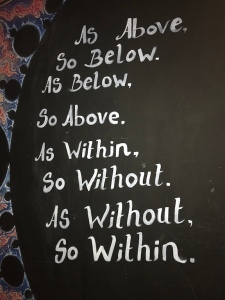

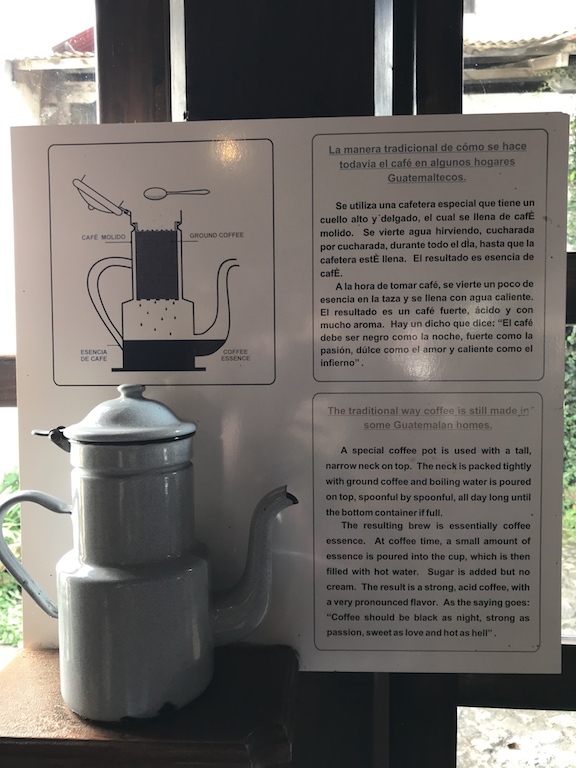
We visited a nearby coffee farm for a tour and information about coffee production. This story illustrates the traditional Guatemalan style of coffee brewing. The final statement is humorous.

We also toured a macadamia farm. The owner is a colorful man who left San Francisco about 40 years ago. He looks a bit like Jerry Garcia and has an off-color sense of humor and a cynical outlook on life. 

Antigua holds some bittersweet memories for us. This is the last place that Mango was healthy and vibrant. During our final visit there, she became paralyzed and subsequently quite ill. 


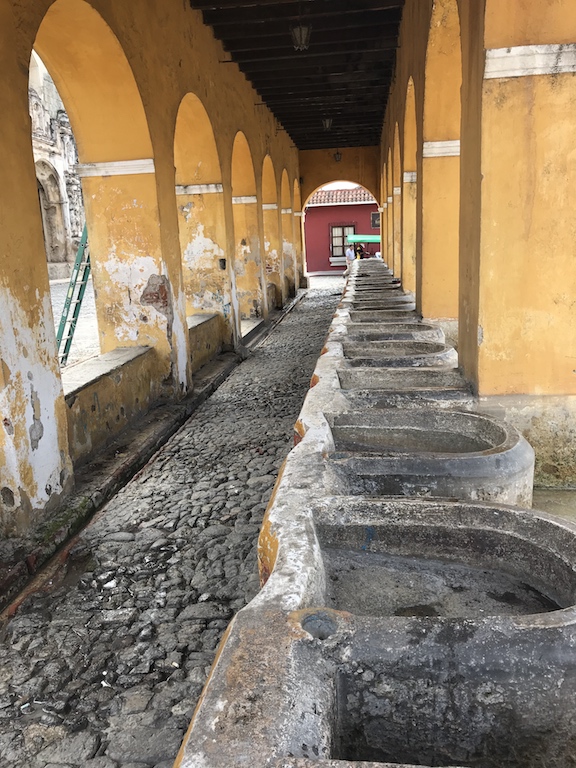
The history in this city runs deep. The photo below shows an old pila or washing sink. This is where the women and children would gather. Clothes and babies were washed here for many generations. Stories were exchanged, decisions were made and a history was formed. Pilas (washing sinks) are protected artifacts in all of Guatemala. If you have one on your property, you must preserve it. Many homes and businesses turn them into beautiful fountains or fish ponds. But in many areas, they are still in use. Most communities have a community washing area.