


We were driving fast to get to Medellin by a deadline. The past few blog posts have shared information with you about the villages, cities and sights we explored on our way here. But we were in a hurry to get to the biggest Medellin event of the year, the annual Flower Festival!
Although we missed the first 5 days of the event, we made it for the huge, closing parade. And it was really an incredible event! 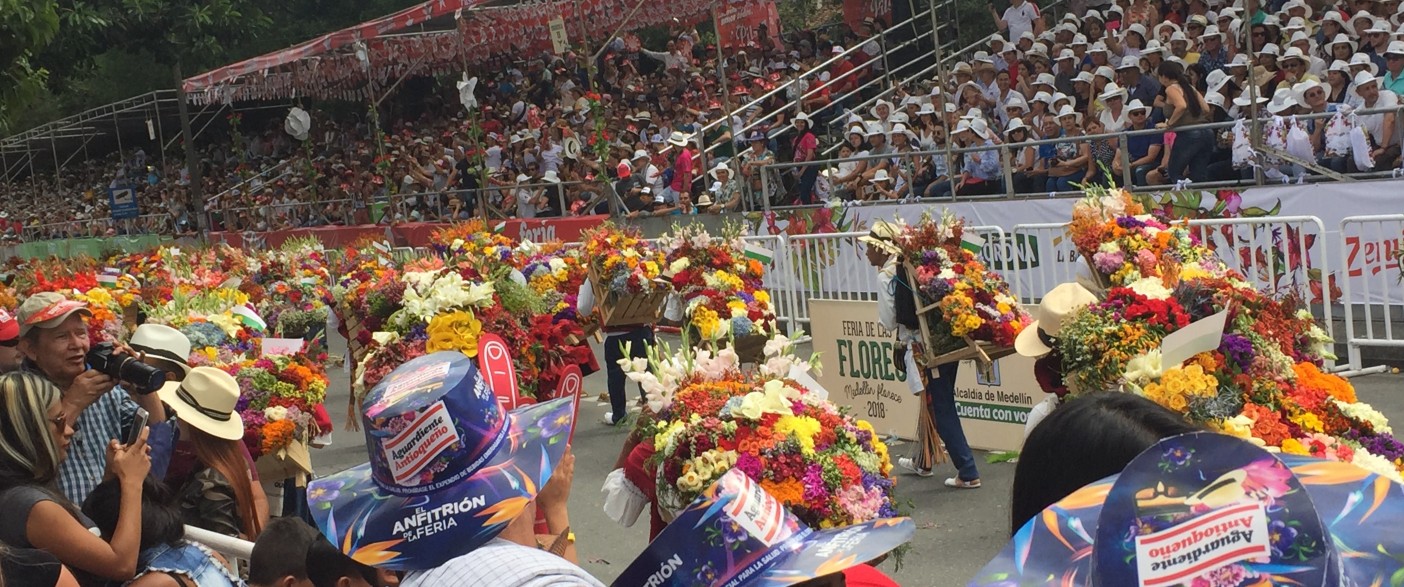

In this parade there are hundreds of participants carrying huge flower displays. These flower displays are assembled on a few different types of structures and carried by farmers, businesses and families from all around the region. One of the structures is a chair-like frame with has cascading flowers attached to it. Another structure is a large, round wooden disk, which has flower designs arranged upon it. These flower arrangements have been on display in various locations over the past few days. The floral displays have been categorized and judged for critical attributes. When it is time for the parade, the floral artists attach straps to the displays and they are carried on their back for several miles. Thousands of fans show up to enjoy the event. We joined the crowd. Here are a few images from the parade. 


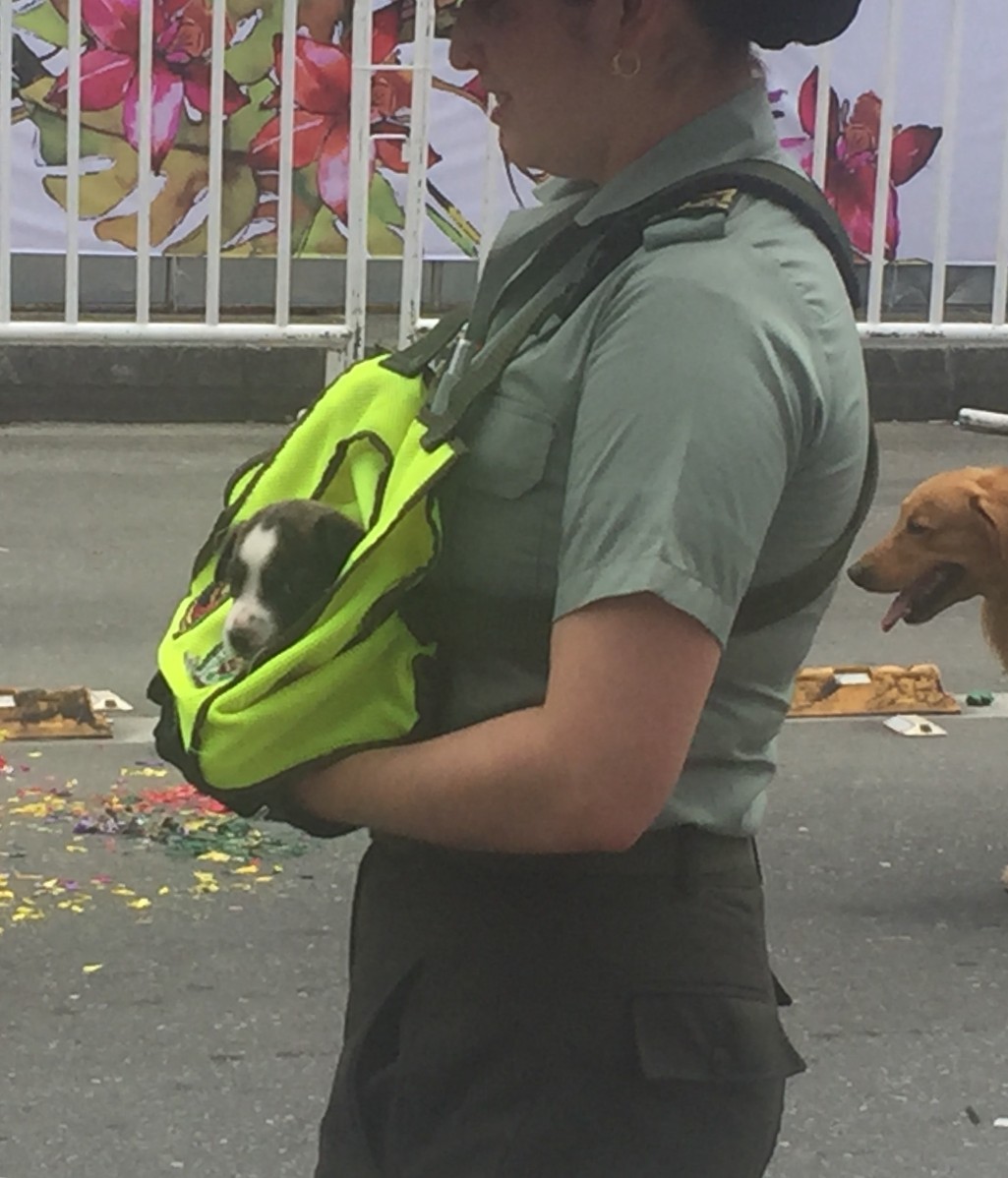


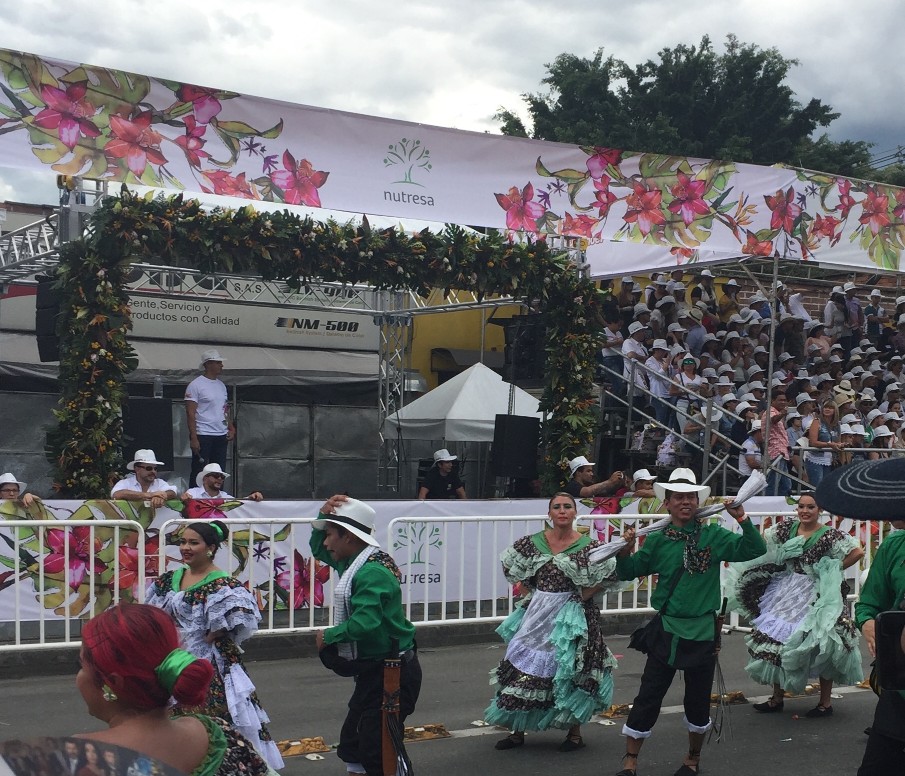


After the parade ended we moved on to find a parking place that could hold us for a few days while we explored the city. We ended up in the driveway of Hostel Macondo. 


The Communa 13 neighborhood is located far up on the hillsides of the city, and it borders the forest, the fields and the path of importation of drugs. The city was a dangerous place to live, and this particular neighborhood had become a war zone. The infamous Pablo Escobar empire was recruiting young men and women into their service. They were paying hundreds of thousands of dollars for taking the life of a military or police patrolman. Families were in fear for their lives and for the loss of their young teens. However, after the death of Pablo Escobar, there was an air of victory among the residents. They worked with the police and military to return Communa 13 to a place of safety for families.
The city funded an extensive transportation network that included a citywide Metro train system and street buses. They built an incredible set of escalators that climbed up the hillside, through Communa 13. This allowed the residents to access city services, commute to new job opportunities and feel freedom from being trapped in their hillside neighborhood. Even the street dogs have learned to use the escalators to get to various parts of the neighborhood. 

And along with the transportation of humans (and dogs), came a social program focused on art. Street art became an acceptable expression of past fears and future hopes. And the art reflects the transition that everyone has participated in. Now the escalators are filled with tourists and even city officials from all around the world. They come to see how this area recovered from a past of terror to become a hub of joy and financial rebuilding. These photos illustrate just a small portion of what we saw during our rainy tour of Communa 13, Medellin, Colombia. 


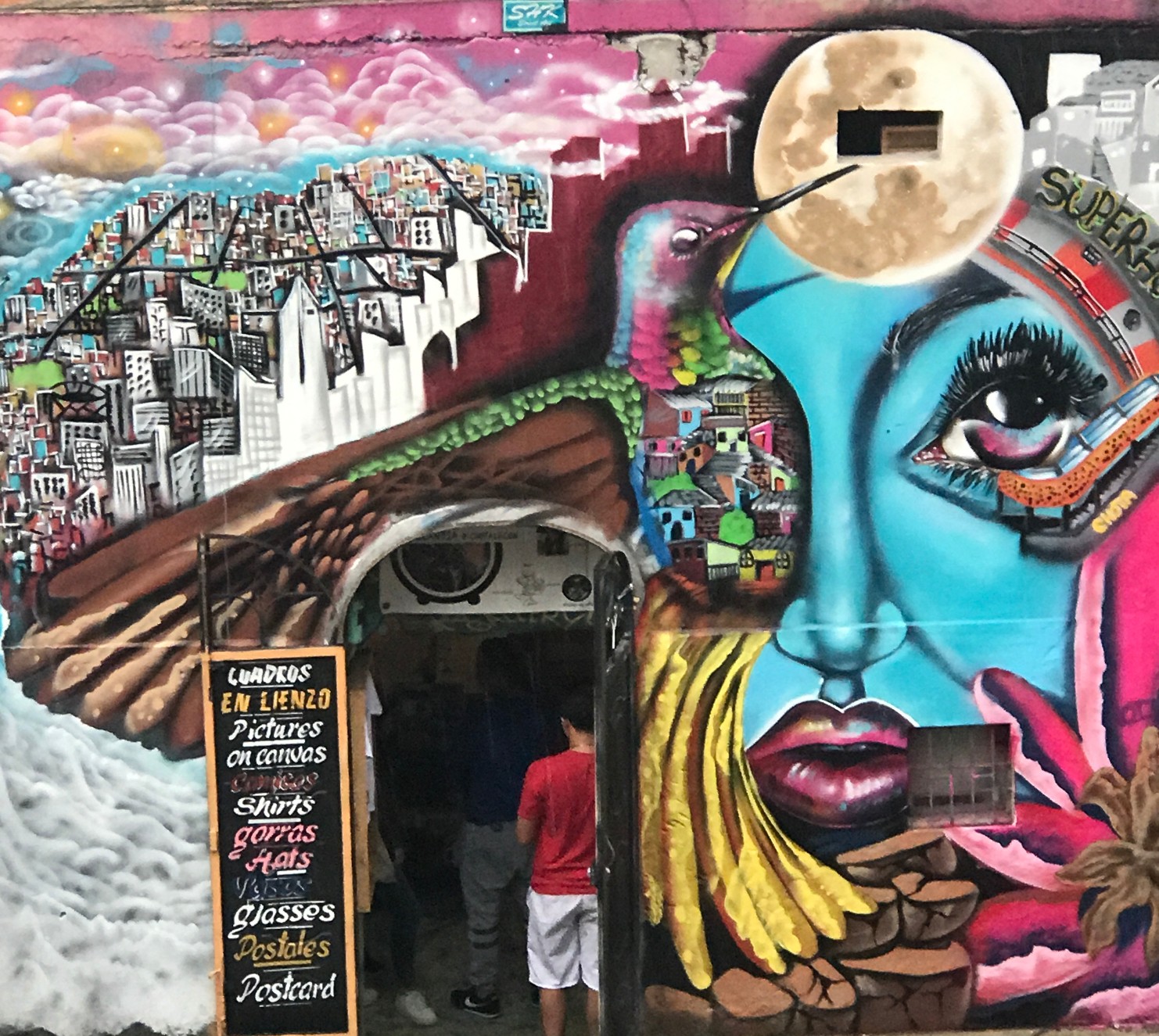


There were many shops in the Communa that were selling the work of local artists on canvas, magnets, t-shirts and poster-prints. It was great to see the commerce being generated by this rebirth of a neighborhood. We stopped in a coffee shop for a taste of their specialty, black coffee with lemonade and ice. It wasn’t too bad, actually! And they were selling these interesting recycled paint cans. 


Walking around the city was fun. On one outing we went to a huge hardware store called HomeCenter. Even Nica was allowed to walk around the store and shop with us. But she was not thrilled with the escalator. While we were in the parking lot we spotted this really cool miniature transportation. Just a two-seater, with room for a few packages in the back. And protection from the rain!


Our next stop that day was a strange little science museum on a college campus. Once we got through multiple security stops and checkpoints, we were admitted to an interesting set of exhibitions. It was not a large museum, but clearly assembled and maintained with loving care. The staff was thrilled to see us there and were very friendly!


There was a large mural on one wall. And an extensive collection of old, poorly stuffed animals of various origins. While we enjoyed exploring, it was a little bizarre. But we really liked the little , tiny bat skull! 


We had a few amazing meals in Medellin. Near our hostel parking area was a coffee shop, which Nica was allowed to visit. They served some of the best Eggs Benedict that we have eaten in several months. It was so good, I took a photo. 


Medellin was a fantastic city with a wide range of activities and opportunities. We felt safe, welcomed and hesitant to leave. We may return to this wonderful city again as we drive around exploring Colombia.
