

The Olympic Peninsula in Washington is much more than the Olympic National Park. We explored just a few places of beauty and surprise. But this is an area worthy of much more time! We covered a lot of miles on the coastlines of Washington state! 

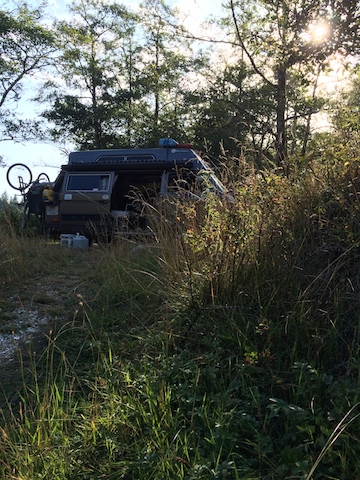
Our first night was along the banks of a small river, where it flows to the sea. We walked through the grasslands and enjoyed the salty smells. 




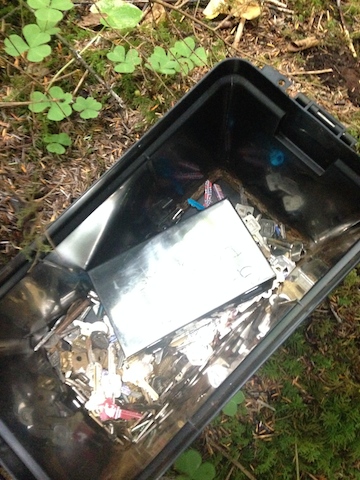
Along the route we stopped for a few geocaches. (do you geocache? check out http://www.geocaching.com) This one was particularly fun. It is called “Keys To Success”. The main cache container is cabled to a tree in the woods. 



When we stopped for guidebooks and maps we also visited the oldest known cedar tree. You may remember the one we saw last month, but this one is even bigger.
In an effort to collect geographic milestones, we headed to Neah Bay and Cape Flattery. This is the most Northwestern point of the mainland USA (in contrast to Key West last year, the most Southeastern point) This area is directly across the Strait of Juan de Fuca where we camped for Geneva’s birthday last month. The first glimpse of this coastline was beautiful. 


In Neah Bay we camped at an informal, beachfront campground, which allowed the dogs to run freely on the beach. 


While in Neah Bay we visited the cultural center. This area is part of an Indian reservation, and the museum and cultural center provided great information about the history of this tribe. We also hiked to Cape Flattery along the old cedar trail, which is boards in some places and roots in others. 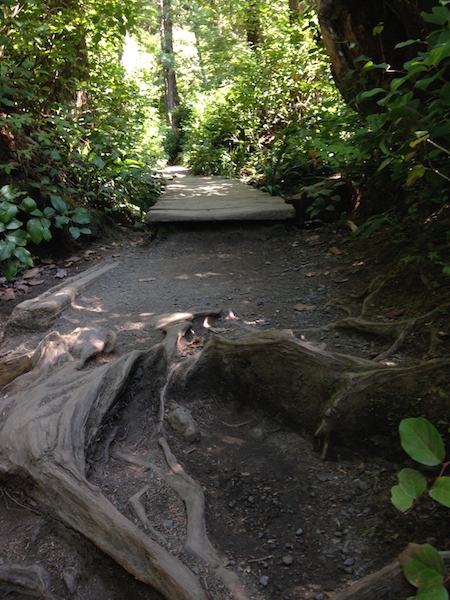


Our next two stops were inside the Olympic National Park, in the vehicle accessible areas. But this park is truly designed for the hiker, the backpacker and the backcountry through-hikers. We enjoyed the Sol-Duc Hot Springs for a soak and then went on the view Mount Olympus from Hurricane Ridge. 


We did observe that camping in the Olympic Peninsula is well restricted. Logging roads and forest roads are often gated. Campgrounds and RV parks are full, and expensive. One place that had spaces wanted $31 per night for the van (no hook ups) plus $8 per dog. We were unwilling to pay that, and chose to park at a nearby trailhead for the night. Traveler be aware and plan accordingly.
As we entered the northeastern side of the peninsula, timing worked out that we were able to driveway camp with some family members. The next day we went to a nearby lavender farm (Purple Haze) on Bell Bottom Road. 

At one gas stop we could not resist posing for a photo with this adorable salmon van! 


After many hours of driving, we pulled in to a small town, municipal parking lot. Some towns rent overnight parking spaces at their city parks to raise city revenue. This one offered the standard park restrooms and even showers at the adjoining city pool as well as a skate park, picnic tables, etc. We happened to arrive just as a “light parade” was rolling through. It was a cute reminder about small-town America and the people that live there. 

